 Poradmin
Tendencias e Mudancas no Futebol Brasileiro em 2026
O Panorama Atual do Futebol Brasileiro
O futebol brasileiro é um dos mais emocionantes do planeta. Com uma rica história e uma base de torcedores fervorosos, o esporte se destaca não apenas pela qualidade técnica dos jogadores, mas também pela intensidade e paixão que caracteriza os jogos. Em 2026, o cenário futebolístico no Brasil está em constante mudança, com novos talentos emergindo e clubes adaptando suas estratégias. Além disso, a influência das ligas internacionais e das mídias sociais tem impactado a forma como os torcedores acompanham suas equipes favoritas. Para quem deseja se manter atualizado, há uma variedade de fontes disponíveis, como Notícias do futebol brasileiro, que oferecem as últimas notícias e análises sobre o futebol brasileiro.
Principais Clubes e Seus Desafios
Os grandes clubes do Brasil têm enfrentado desafios únicos nos últimos anos. Vamos dar uma olhada em alguns deles e as suas situações atuais:
Flamengo
O Flamengo continua a ser um dos clubes mais populares e bem-sucedidos. Em 2026, eles buscam manter sua posição de destaque na Série A, mas enfrentam a pressão constante de rivais como Palmeiras e São Paulo. O Flamengo investiu pesado em contratações e agora espera colher os frutos em competições internacionais.
Palmeiras
O Palmeiras, conhecido por sua resistência e jogo coletivo, se destaca com uma base sólida de jogadores. O clube tem se concentrado em manter sua consistência na Série A e em competições continentais, como a Copa Libertadores. A administração tem priorizado a formação de novos talentos, o que pode ser a chave para o futuro do clube.
São Paulo
O São Paulo está passando por um processo de reestruturação. Embora tenha uma rica história, o clube busca recuperar sua forma e voltar a ser um competidor de peso no futebol brasileiro. A nova gestão promete focar em investimentos em jovens atletas e na melhoria da infraestrutura do clube.
Novos Talentos em Ascensão
Um dos aspectos mais emocionantes do futebol é a descoberta de novos talentos. Em 2026, muitos jovens jogadores estão se destacando e prometendo brilhar nos gramados brasileiros e internacionais.
- Rodrygo Goes – O atacante do Real Madrid, embora jovem, já é considerado um dos principais talentos do futebol mundial.
- Endrick – Com apenas 15 anos, este jogador já é visto como uma futura estrela e tem atraído a atenção de diversos clubes europeus.
- Gabriel Menino – Com atuações impressionantes pelo Palmeiras, ele se mostra um meio-campista versátil e promissor.
A Influência das Mídias Sociais
As mídias sociais mudaram a forma como os torcedores interagem com o futebol. Hoje em dia, os clubes utilizam plataformas como Instagram, Twitter e TikTok para se conectar com seus fãs, compartilhar momentos e até mesmo vender produtos. Essa nova abordagem tem trazido uma nova geração de torcedores, que se envolvem de maneira diferente com seus clubes.
Marketing e Promoções
Os clubes brasileiros têm investido cada vez mais em marketing digital. Durante a temporada 2026, eles estão promovendo campanhas inovadoras que visam aumentar a presença de marca e engajamento. Por exemplo, algumas equipes lançaram desafios e sorteios nas redes sociais, incentivando os torcedores a interagir mais.
O Impacto das Competições Internacionais
As competições internacionais continuam a desempenhar um papel vital no desenvolvimento do futebol brasileiro. A Copa Libertadores e a Copa do Mundo de Clubes são apenas algumas das competições que trazem luz aos clubes brasileiros. Em 2026, a preparação para essas competições exige que os clubes mantenham seus elencos em alto nível.
Copa Libertadores
A Libertadores é um dos torneios mais prestigiados da América do Sul. Os clubes brasileiros costumam ter um desempenho forte, e a competição serve como um campo de testes para novos talentos. O Flamengo, por exemplo, tenta repetir seu sucesso de anos anteriores, enquanto outros clubes buscam avançar para as fases finais.
Copa do Mundo de Clubes
A Copa do Mundo de Clubes tem sido um evento que coloca o futebol brasileiro em evidência no cenário mundial. A participação de clubes como Palmeiras e Flamengo nessas competições aumenta sua visibilidade e reputação internacional.
A Segurança e o Futuro dos Estádios
Com o aumento do número de torcedores nos estádios, a segurança se tornou uma prioridade. Em 2026, muitas arenas no Brasil passaram por reformas para melhorar a segurança e a experiência dos torcedores. Medidas como câmeras de segurança, acesso controlado e melhorias na infraestrutura estão sendo implementadas para garantir que todos possam aproveitar os jogos sem preocupações.
| Estádio | Cidade | Capacidade | Medidas de Segurança |
|---|---|---|---|
| Maracanã | Rio de Janeiro | 78.838 | Câmeras de segurança em todas as entradas |
| Allianz Parque | São Paulo | 43.713 | Acesso controlado e segurança privada |
| Arena do Grêmio | Porto Alegre | 60.540 | Monitoramento 24 horas e equipe de segurança |
O Papel das Ligas de Base
As ligas de base têm um papel fundamental na formação de novos atletas. Em 2026, a ênfase na formação de jovens talentos é mais evidente do que nunca. Clubes têm investido em academias e programas de desenvolvimento para garantir que os jovens jogadores tenham as ferramentas necessárias para ter sucesso.
Programas de Desenvolvimento
Os clubes estão cada vez mais focados em criar programas que ajudem os jovens a desenvolver não apenas suas habilidades técnicas, mas também sua saúde mental e física. Isso inclui treinamentos específicos, acompanhamento psicológico e suporte educacional.
Conclusão
O futebol brasileiro em 2026 é um cenário vibrante e cheio de potencial. Com novos talentos surgindo, ligas de base se fortalecendo e a influência das mídias sociais em ascensão, o futuro parece promissor. Os clubes continuam a enfrentar desafios, mas a paixão e a energia dos torcedores permanecem inabaláveis. O sucesso no futebol não é apenas sobre vencer; é também sobre a cultura, a emoção e a comunidade que o esporte cria ao redor. Acompanhe as novidades, porque o futebol brasileiro nunca para e sempre surpreende!
Poradmin
A Evolucao do Jazz Portugues Raizes, Influencias e Tendencias de 2026
O que é Jazz Português?
O Jazz Português é uma fusão rica e vibrante que combina elementos do jazz tradicional com as influências culturais únicas de Portugal. Esta forma de música tem suas raízes nas tradições africanas, musicais folclóricas, e até mesmo na música clássica, criando um som distinto que ecoa as experiências e vivências do povo português. Com um crescimento significativo nos últimos anos, especialmente em 2026, o jazz em Portugal se tornou um dos gêneros mais relevantes e inovadores da cena musical.
As Raízes do Jazz em Portugal
Para entender o Jazz Português, é essencial dar uma olhada em suas origens. A música jazz começou a se infiltrar na cultura portuguesa no início do século XX, com a chegada de músicos e influências afro-americanas. Desde então, Portugal passou a se envolver cada vez mais com o jazz, incorporando suas próprias tradições e estilos.
Influências Culturais
- Fado: O fado, uma forma tradicional de música portuguesa, influenciou muitos músicos de jazz no país, resultando em uma mistura emocionante de melancolia e improvisação.
- Ritmos Africanos: As tradições africanas, especialmente as de países como Cabo Verde, trouxeram novas batidas e sonoridades ao jazz português.
- Música Clássica: Compositores clássicos portugueses também tiveram um papel importante na formação do jazz moderno em Portugal, trazendo harmonias complexas e estruturas sofisticadas.
A Cena do Jazz Português Hoje
Em 2026, a cena do jazz em Portugal está mais vibrante do que nunca. Cidades como Lisboa e Porto se tornaram centros de atividade musical, onde novos talentos emergem a cada ano. Festivais de jazz estão sendo realizados com frequência, atraindo tanto artistas locais quanto internacionais.
Entre os muitos projetos e iniciativas, jacc-records.com é um exemplo notável que promove músicos de jazz emergentes, oferecendo uma plataforma para que suas vozes sejam ouvidas. Essas iniciativas estão ajudando a consolidar a identidade do jazz português no cenário global.
Principais Músicos e Grupos
A lista de músicos e grupos que estão moldando o jazz português é extensa. Aqui estão alguns dos mais influentes:
- Maria João: Uma das vocalistas mais renomadas, conhecida por sua habilidade em improvisar e integrar diferentes estilos.
- Pedro Moreira: Um saxofonista que traz elementos do fado e do jazz contemporâneo, criando um som único.
- Omar Sosa: Embora cubano, suas colaborações com músicos portugueses trouxeram uma nova perspectiva ao jazz no país.
- David Pimentel: Um pianista inovador que explora diversas sonoridades, misturando jazz com música eletrônica.
Eventos e Festivais de Jazz em Portugal
Os festivais de jazz são uma parte essencial da cultura musical em Portugal. Eles não apenas celebram o jazz, mas também oferecem uma plataforma para novos artistas e músicos estabelecidos. Aqui estão alguns dos festivais mais importantes que acontecem anualmente:
| Nome do Festival | Localização | Data | Descrição |
|---|---|---|---|
| Jazz em Agosto | Lisboa | Agosto | Um festival que traz artistas internacionais e locais para uma celebração do jazz contemporâneo. |
| Festival Internacional de Jazz do Porto | Porto | Julho | Um evento que destaca músicos de jazz de várias partes do mundo. |
| Guimarães Jazz | Guimarães | Novembro | Focado em criar experiências únicas, com atuações de artistas inovadores. |
O Impacto do Jazz Português na Cultura
O Jazz Português não é apenas uma forma de entretenimento; ele desempenha um papel significativo na cultura e na identidade nacional. Ele conecta gerações e promove uma troca cultural rica entre diferentes estilos e tradições. Muitos jovens músicos estão se inspirando no jazz para explorar novas ideias e abordar temas contemporâneos em suas composições.
Educação e Música
As escolas de música e universidades em Portugal têm se empenhado em incluir o jazz em seus currículos, o que tem atraído muitos estudantes a se interessarem por esse estilo. Programas de formação e workshops estão se tornando mais comuns, permitindo que novos talentos aprendam com os mestres e desenvolvam suas habilidades. Essa educação musical tem sido fundamental para a continuidade e inovação do gênero.
Tendências Futuras do Jazz Português
O futuro do Jazz Português parece promissor. Com um número crescente de músicos jovens e um interesse renovado pelo gênero, é possível que o jazz em Portugal continue a evoluir e se expandir. Em 2026, já estamos vendo uma mistura de jazz com outros gêneros, como pop, hip-hop e música eletrônica, o que pode levar a novas formas de expressão.
Inovações e Novas Colaborações
O intercâmbio cultural e as colaborações entre artistas de diferentes gêneros estão se tornando cada vez mais comuns. Músicos que antes tocavam apenas jazz agora se aventuram em outros estilos, criando um som híbrido que reflete a diversidade da música contemporânea. Essa troca está levando a um alcance ainda maior do jazz português, não só em Portugal, mas também em palcos internacionais.
Considerações Finais
O Jazz Português é um testemunho da rica tapeçaria cultural de Portugal. A maneira como ele evoluiu, absorvendo diversas influências e se reinventando ao longo do tempo, mostra a vitalidade deste gênero musical. À medida que avançamos em 2026, o jazz em Portugal continua a se adaptar e se expandir, prometendo uma cena musical ainda mais colorida e diversificada para os próximos anos. Com o apoio de iniciativas e festivais, o futuro do jazz em Portugal certamente será brilhante e cheio de novas possibilidades.
Poradmin
Luxury Sunglasses That Combine Comfort and Prestige Website Sale Now
2025 GM Eyewear Buying Guide: What Is Included
This reference clarifies spectacle choices for this year’s consumers, featuring clear pricing, fit guidance, plus practical selections that last strong. Buyers obtain pragmatic comparisons, quality tests, plus methods to avoid counterfeits without guesswork.
The market uses «GM eyewear» for quick reference to the brand Gentle Monster, a Korean eyewear company known for sculptural acetate shapes, art-driven retail, and high-visibility alliances. Such shortening creates confusion across platforms that posts blend real, pre-owned, plus fake stock, therefore our manual focuses on official retail benchmarks plus visible construction elements. Our emphasis involves dark glasses plus prescription frames customers may realistically purchase now, their actual price across segments and region, which silhouettes age well, plus sizing details that determine comfort. Get honest feedback about optics, joints, and plastics, as endurance weighs as importantly as aesthetics. When you’re evaluating GM with alternative luxury designer glasses, these sections below will reveal where Gentle Monster succeeds and spots to look closer.
How is «GM glasses» mean in 2025?
For 2025, «GM glasses» is widely employed for referencing Gentle Monster eyewear—both dark glasses and vision frames. It does indicate one a single model rather the entire company’s range plus collaborations.
The brand, established in 2011 in Seoul, constructed its reputation on dramatic, current designs and immersive flagships functioning like shifting artistic displays. As «GM» features in product codes plus enthusiast discussions, platform vendors frequently condense posts, creating is why buyers see «GM Her 01» plus «GM Lilit 01″ versus than the complete company title. This company’s titling system generally matches a design title to shade number—»01» almost always denotes ebony—plus dimensional specs. Grasping this shorthand helps you seeking more effectively, assess availability among regions, and filter inappropriate and suspicious results.
.jpeg)
How expensive are Gentle Monster frames in 2025?
Typical 2025 retail rates for Gentle Monster cluster between mid-$200s and mid-$300s USD for core pieces, whereas special plus premium substances run pricier. Geographic MSRPs fluctuate slightly after VAT and monetary adjustments.
This chart beneath outlines frequently seen price bands throughout legitimate stores and approved vendors gentle monster eyewear during late 2024 to beginning 2025. Special editions could surpass the top of such ranges, while rare launches across the resale market demand higher prices. International purchasing might change your effective price once VAT rebates, tariffs, plus currency fees are included, thus compare final checkout totals, not just sticker costs. Vision pieces lacking Rx lenses usually sit toward the cheaper tier, while polar and custom shades raise expense. When current, trending design gets posted far below these brackets, consider it as a danger flag.
| Category | Standard 2025 Price (USD) | Standard 2025 Rate (EUR) | Typical 2025 RRP (KRW) |
|---|---|---|---|
| Core acetate sunglasses | $260–$320 | €270–€340 | ₩320,000–₩420,000 |
| Steel-frame shades | $280–$360 | €290–€380 | ₩350,000–₩460,000 |
| Optical frames (no Rx lenses) | $230–$300 | €240–€310 | ₩290,000–₩380,000 |
| Collaborations / special editions | $350–$600+ | €380–€650+ | ₩450,000–₩780,000+ |
What GM designs are worth buying now?
Regarding extended use, focus on GM’s dark plastics plus reliable angular frames—like Her 01, Lilit 01, plus Lang 01—with one collaboration if you need a standout choice. These choices merge brand essence, head coverage, and endurance.
The Her 01 continues trustworthy regular choice since its slightly oversized square face provides impact minus dominating thinner heads; it additionally coordinates effortlessly with basic clothing. Lilit 01 presents a sleeker rectangle that references millennium without feeling disposable, rendering it a a smart rotation piece alongside your chief selection. Lang 01 trends more striking with a thicker border and expanded piece for peripheral ray blocking; when you wear your frames hard, that surplus material supports preserving form. Co-branded collections—including Gentle Monster’s partnership with plus Maison Margiela MM range or Jennie’s «Jentle» collection—provide unique nose pieces, guards, and optic cuts; choose one should you need fashion-forward styling, though anticipate elevated rates and rapid stock depletion. Should you require Rx, examine the vision frame area seeking identical designs featuring decreased builds, then fit thin optics for preserve easy wearing.
Dimensions and fitting: getting it right
Proper sizing begins with printed measurements along the side lens width, bridge width, and temple length. Match those to a pair in your collection that work well eliminating speculation.
Regarding average-sized heads, optic measurement about 50–53 mm, bridge span 19–22 mm, and arm 145 mm provides secure foundation; broader and circular visages typically expand upward 1–2 mm concerning glass measurement improving protection. When you feature a low nose bridge or high cheekbones, emphasize glasses with adjustable nose pads or a tighter bridge to prevent slide, especially during warm weather. Gentle Monster’s material nose rests can be temperature-adjusted through vision specialists, but steel frames with pads afford more micro-adjustments across different nose structures. Mass counts additionally: lightweight glass plus equilibrated arms reduce pressure hotspots behind the ears throughout extended use.
Lens and build standards, detailed
GM shades come featuring UV400 shielding, stopping 99–100% of UV radiation; finishes differ per design, and polarization appears within specific items rather than across every piece. Frames use a mix of molded acetate and metal with durable pivot systems for stability.
In hand, quality material displays even hue distribution, clean angles, and refined surfaces near perimeters and encircling joint areas; haziness, flash marks, or uneven joints suggest build flaws. Complex pivot mechanisms ought to function with consistent resistance plus shut minus noise; bolts placed evenly plus secured resist coming loose in temperature. Optics across the core line are usually CR-39 and plastic; each may be optically clear through correct finishes, while nylon brings crash protection for wrap designs. Should you expect to mount Rx glass, have your professional to measure lens foundation curve plus frame wrap so sight remains accurate after mounting. For driving or aquatic use, filtering proves valuable despite cost, but for screens and studio work, non-polarized optics featuring glare reduction can be more practical.
How do you prevent fakes while purchasing GM?
Shop via legitimate boutiques and authorized dealers, and regard steep discounts on current-season designs with suspicion. Inspect product codes, engraving quality, mechanism touch, and box uniformity.
Authentic GM prints the style name, color code, and dimensions within the interior arm using clean, even kerning; sloppy fonts, misspellings, or off-center stamps indicate problems. Plastic material must seem solid, versus hollow, and the shade should be even across both eyes with no color cast alterations near perimeters. Materials change between series, yet cases, cleaning fabric, and documentation should align with current period presentation, not generic substitutes. During secondhand shopping, demand close-up pictures showing the arm text, hinges, and nasal bridge, while ask for the original proof of when accessible. Professional advice: «Bring inexpensive ultraviolet checker card and LED; real UV400 lenses will not darken the card, while rapid mechanism test—smooth, straight, without side-to-side wobble—filters out most fakes within moments.»
This year’s trends and trend notes that actually last
When you need stylish but functional, focus on thin frames, subtly geometric pieces, and transparent neutrals. Those choices function with casual wear, tailoring, and athleisure without dating fast.
Golden brown filters and light smoke optics look current while maintaining usability within buildings; they further coordinate nicely with silver hardware that feature prominently during year. Translucent gray and tea acetates lighten heavy silhouettes, notably for petite heads, while capturing well in mixed lighting. Wrap-inspired shapes and wrap co-brands reappear, yet they are most adaptable using subdued lens colors rather reflective surfaces. When your wardrobe skews minimal, let the frame thickness be your accent; should you choose more vibrant fabrics, select slimmer edges ensuring the frames won’t clash with your outfit.
Maintenance, optic swapping, and support essentials
Clean frames with lukewarm water, dab with a drop of mild dish solution, and wipe using fresh cloth; skip alcohol contacting acetate and avoid hot dashboards. Keep within the box so mechanisms are not stressed in bags.
Corrective optic changes are straightforward for many GM vision frames and many eyewear; carry the frames to a vision specialist and specify coatings that match your use requirements. Lightweight glass keep weight down for stronger prescriptions, while digital-light finishes are optional if you presently employ low-reflect AR. If a side gets wobbly, have a professional reinstallation plus securing of hardware instead of excessive tightening at home, potentially strip threads. Warranty conditions may differ by region and sellers, thus maintain purchase documentation while recording production problems promptly for streamline service.
Five details regarding Gentle Monster eyewear you probably didn’t know
Firstly, the brand started in 2011 within Seoul and receives international acclaim through boutiques that serve as creative venues featuring displays that frequently update. Second, the brand’s style references employ predictable structure: the style name come before shade numbers—»01″ usually indicates black—and dimensional markings such as 52–21–145. Furthermore, GM lists accurate frame specs on product pages and etching them on the temple, which makes remote fit assessment practical if you measure a pair you presently have. Additionally, several eyewear designs reappear across seasons with different shades, enabling you to frequently purchase tested designs minus chasing the exact period’s launch. Lastly, partnerships get created and released under the Gentle Monster umbrella, meaning core construction quality plus sun protection extends through even when styling becomes bolder.
Who ought to purchase Gentle Monster currently?
Select Gentle Monster when you desire artistic, trend-setting glasses featuring trustworthy ultraviolet blocking and materials that stand daily use. Avoid it solely when requiring specialized technical features exceeding style requirements.
For all-purpose regular eyewear, select Her 01, Lilit 01, or comparable matching dark plastic frame fitting your size. When you currently possess a traditional pair, include one co-brand for times requiring more defined edges or wrap protection for complete shielding. Buyers with low nasal bridges ought to favor adjustable-pad models and plan for expert fitting adjustment on acetate. Should the posted cost appears excessively favorable to be accurate, employ the measurement stamps, side writing, joint operation, and the quick UV test to protect your money; through these inspections, purchasing Gentle Monster during 2025 remains uncomplicated and rewarding.
Poradmin
Designer Luxury Bags Compared – Quality vs Price Shop Authentic Pieces
Designer Bag Wholesale: What is Realistic and What’s a Red Flag?
Current-season Gucci bags are not available through open wholesale; the only legitimate channels are Gucci’s internal retail network plus a small set of authorized dealers under selective supply. Any «wholesale Gucci» offer by an unknown seller or a standard B2B marketplace remains almost always unauthorized at best and counterfeit at worst.
Gucci, like additional top luxury companies, controls distribution to protect brand reputation and pricing. This model looks alike to the way Loewe manages eyewear and accessories: a closed network with directly operated stores, selected department shops, and duty-free operators. That means these practical paths for businesses are both to become one authorized partner through a rigorous vetting and volume process, or to acquire authentic goods through the secondary channel with airtight verification. Everything else requires high skepticism, a test-buy, and third-party authentication before funds move.
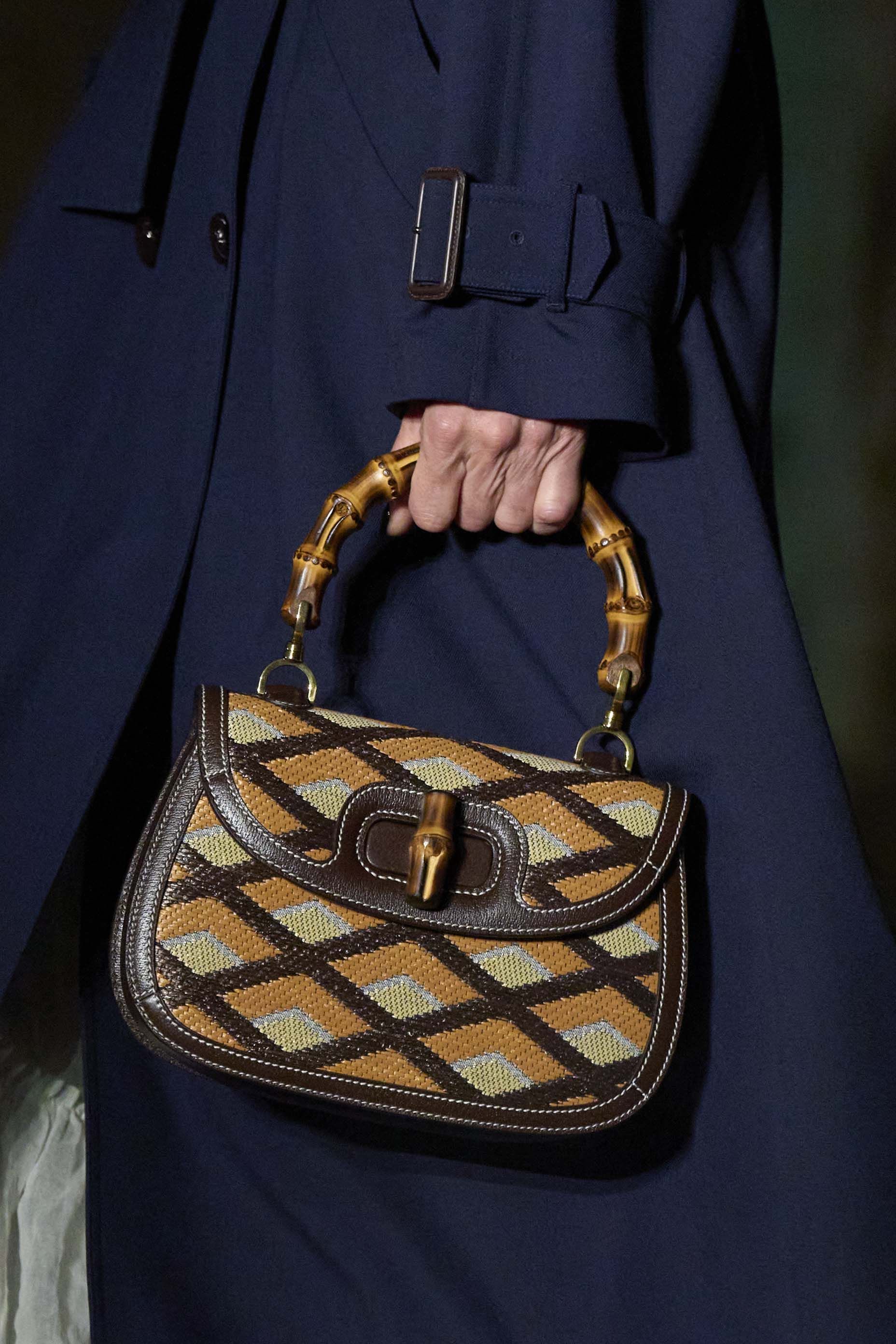
Verified Suppliers and Legitimate Channels
Verified supply for new Gucci bags exists exclusively inside Gucci’s managed ecosystem and via a small number of vetted suppliers; outside it, the dependable route remains secondary-market sellers having strong authentication, warranties, and transparent documentation.
Authorized retail and travel retail dealers operate under long-term agreements with selective distribution rules, merchandising plans, and company standards. This covers certain department stores and airport travel groups that get inventory directly from Gucci or its parent’s distribution companies. Corporate gifting and uniform programs sometimes run through Gucci’s corporate teams and approved intermediaries during special projects, however these are project-based, not general wholesale pipelines. For all else, the practical channel is the secondary market: proven luxury resale sites, reputable consignment companies, and auctioneers that issue business invoices, stand behind authenticity, and maintain robust return and resolution processes. The thread that connects all «verified» channels is traceable provenance, transparency, and contracts you can actually implement.
How to confirm one channel is authentic
A real channel maintains traceable paper trails back to the brand or a known authorized retailer, steady inventory patterns aligned with current collections, and willingness to provide buy gucci bags invoices, detailed manifests, and refund rights in text. A fake one leans on unverifiable «excess stock,» creates urgency, refuses sample buys, and provides new-season models with implausible discounts.
Insist on confirmable company registration, trade references, and verifiable banking coordinates linked to the legal entity. Ask for sample invoices from prior transactions having personally identifiable data redacted, but with store names, timestamps, SKUs, and tax data intact. Ask for a small test order and external authentication on arrival before you expand.
How Do MOQs Function for Gucci Products?
That is no public, one-size-fits-all MOQ for Gucci bags; minimums are either contractual buy-ins for authorized accounts or batch-based in the secondary market. Any seller quoting «official brand MOQ» to one unaffiliated buyer is misrepresenting the procedure.
Inside authorized distribution, «MOQs» typically take the form of seasonal buy commitments and category-level minimums negotiated during trade appointments. The details sit inside agreements and are not published. In resale channels, you’ll find two patterns: individual buys for pre-owned items and fixed-lot purchases for surplus, customer returns, and store closures. Resale MOQs can become driven by that auction or wholesaler’s lot design instead than a company policy. If you’re new, start with the smallest practical lot that allows representative quality review across multiple SKUs and conditions.
Pricing Frameworks One Can Actually Apply
Luxury-brand bulk pricing isn’t open; treat any released «Gucci wholesale price list» outside authorized relationships as questionable. Practical pricing work is built on MSRP benchmarking, landed-cost math, and conservative margin models.
Begin with current MSRP from the brand’s official site plus authorized retailers for set a foundation. For secondary market sourcing, evaluate each SKU’s price delta versus current retail, factoring year plus season, model demand, colorway, material, plus condition grading. Your landed cost remains not just that buy price; it includes international shipping, insurance, customs handling, import duties plus taxes, banking costs, authentication costs, potential refurbishment, platform fees if you sell online, and expected return losses. Calculate backward from realistic sell prices within your market with recent comps from reputable resale platforms to confirm one can achieve a healthy contribution profit after all expenses. If the calculation only works using perfect sell-through and zero returns, the deal is too tight.
Landed cost, that right way
Build a repeatable worksheet. Identify that correct HS/HTS classification for handbags based on material plus country of source, then confirm duty rates on the official tariff database for your destination market. Add shipping, insurance, and handling based on that shipping method plus declared values. Include payment and exchange costs based upon your bank’s published rates. This model makes two things obvious: the minimum purchase price one can accept plus the maximum total cost you could tolerate while still hitting target margin.
Anti-Counterfeit Protocols That Actually Function
Fake risk in «Gucci wholesale» is high; your best defenses are supplier-level proper diligence, third-party verification, and documentation which survives scrutiny. Relying on hangtags, «controllato» cards, or packaging alone is unreliable.
On the supplier tier, verify registration, corporate address, director titles, and trade references. Require business bills and written verification guarantees with remedies. For product-level tests, use experienced authenticators and consider technology services like authentication tools or established authentication providers that specialize in luxury leather goods. Demand detailed photos of ID number tags, internal stamps, hardware markings, stitching, lining, and the overall shape for pre-approval. On arrival, conduct hands-on inspection for build symmetry, consistent text and spacing on serials and heat stamps, alignment for patterns on seams, hardware weight plus finish, and odor from quality material rather than chemical adhesives. Build one controlled environment during inspections with good lighting and magnification.
Documentation and payment safety
Insist on a proper invoice listing the item inventory, condition, warranty of authenticity, return conditions, and the vendor’s legal entity information. Keep all communication, photos, and shipment records. For initial deals, use one escrow service with clear release terms tied to delivery and authentication, or split payments linked to milestones like passed inspection. Avoid anonymous payment systems, gift cards, plus crypto when provenance is unproven.
Legal and Brand Policy Facts You Can’t Overlook
Gucci runs a selective supply system in many jurisdictions, and trademark and parallel-import regulations vary by region. Reselling authentic products can be lawful within certain regions after the company has first sold them there, however importing across borders without authorization can trigger seizures or civil action.
In the European Economic Area, trademark rights are typically exhausted after first sale in that EEA; outside it, rules differ. Border authorities target luxury counterfeits aggressively, and documentation gaps can lead to detentions even for genuine goods. Before you scale, get professional advice on parallel imports, advertising restrictions concerning brand names plus logos, and notifications needed for pre-owned versus new goods. A short legal checklist beats expensive surprises at that border or via platforms.
Sourcing Channel Comparison
The safest path depends on your credentials, capital, and risk tolerance; use this at-a-glance view to decide where for focus and what safeguards to create around each path.
| Sourcing channel | Access requirements | Product condition | Availability | MOQ pattern | Pricing transparency | Counterfeit risk |
|---|---|---|---|---|---|---|
| Approved retail/department store relationship | Brand authorization, contracts, retail standards, capital | New, active season | Structured seasonal buys | Contractual buy-ins, negotiated | Low (contractual, not public) | Low |
| Travel sales/duty-free operator | Airport/DF credentials, large-scale operations | New, active season | Allocation-based | Program-level commitments | Low (agreement, not public) | Low |
| Corporate gifts/special projects | Brand-approved project scope | New, specific SKUs | Occasional, project-based | Project-specific minimums | Low (program quotes) | Low |
| Resale platforms/consignment wholesalers | Business account, KYC | Pre-owned/previous-season | Ongoing but variable | Per-piece or small lots | Moderate (market-driven) | Medium (reduced by authentication) |
| Liquidations/auctions | Auction registration, proof of funds | Various: overstock/returns | Irregular | Per-lot, fixed | Medium (listing estimates) | Medium to significant (demand strict review) |
| Generic B2B marketplaces offering «new Gucci bulk» | None beyond signup | Claims of new-season | Overly-good-to-be-true | Arbitrary | High (unverifiable) | High |
What Documents Should one «Verified» Supplier Offer?
A legitimate supplier could produce a valid invoice, SKU-level lists, proof of source to support customs clearance, and a written authenticity guarantee with remedies. Unclear pro forma invoices and generic «certificates» with no traceable issuer are never enough.
Ask for the vendor’s legal entity licensing, VAT/tax numbers, and a bank letter confirming the profile matches the legal entity name. With secondary-market transactions, require high-resolution images for each SKU, serial/identifier photos where applicable, plus a return procedure that covers failed authentication. Keep a consistent intake package so every deal is documented in the same way for audits and disputes.
Modeling Risk and Margin Without Guesswork
The top operators substitute guesses with process: test buys, authentication costs built into cost of goods sold, and conservative sell-through models relying on real comps. You don’t require secret discounts; one need reliable math and the discipline to walk away.
Pull recent sale data from trusted resale platforms to estimate realistic sale prices, not list prices. Bake within platform fees when you sell online, typical discounting you’ll need to move slow SKUs, and the return percentage you actually encounter. Add a contingency line for restoration or reconditioning where relevant. If following all of this your contribution margin is thin or negative on one weighted basis, negotiate or pass. The cost of a bad lot extends beyond money; it ties up capital, erodes trust, plus increases chargebacks.
How the Loewe Parallel Matters
Loewe eyewear illustrates how modern luxury brands merge creativity using tight distribution; The brand applies the identical discipline to premium goods. Expect controlled partner lists, controlled assortments, and brand-protective contracts.
Both brands prioritize design integrity and consistent brand quality across channels, which is why open «wholesale» isn’t a thing in today for their main categories. If your business already operates with tightly managed eyewear or leather goods, you understand the drill: compliance, documentation, and patience. If you’re new, calibrate expectations and focus on consistent secondary-market routines during you build reputation.
Prior to You Wire Money: A Quick Operational Pass
Validate the supplier’s legal company and references, conduct a test purchase with third-party authentication, model landed price using official tariff data and actual freight quotes, plus confirm return plus remedy terms in writing. If every piece is absent, pause.
Make sure the intake workflow is ready. Set up a photo protocol on arrival, verification SOPs, and one reconciliation process therefore inventory, paperwork, and funds line together. Put your payment terms behind checkpoints or escrow during first-time deals. When you need to explain away a red flag, you already have the answer.
Poradmin
Hellstar – Be the Envy of the Underworld (or PTA Meeting) Limited Offer USA
During the winter, men and women look for warmth in many different approaches, mainly with the dress in of Winter Hellstar® Clothing. Individuals dress in clothing popular styles for various clothing choices. Trend alternatives typically adjust to in season transform, with winter months wardrobes featuring deeper hues, weightier materials, and chic outerwear. Over and above its protecting role, comfortable clothing in the winter months has evolved in to a trend. Stylishjackets and coats, comfortable sweaters, and extras. This company allows them to convey their style whilst keeping yourself easily hot.
The fashion industry has smoothly combined style and warmth during winter. Hellstar® Clothing offers a wide array of wintertime clothes that merge usefulness with artistic attraction. Using cozy clothing endorses outside activities throughout the winter months. When folks truly feel protected from the frosty, these are more productive in winter athletics, joyful gatherings, and also other periodic activities. Our clothing boosts overall well-simply being throughout the cooler a few months. Using cozy clothing in winter is trend along with the pleasure of winter months actions.
Hell star Clothing
You are welcome to this brand’s intriguing world, exactly where in 2023 development fulfills fashion. It’s our responsibility to translate your thing into contemporary patterns. This results in a long lasting influence together with building hellstar clothing a statement. We at this particular official brand name believe your thing must be as exclusive since you are. Be sure the viewers remembers you. We have the right attire for every situation, which range from enterprise to formal. We give every little thing perform our all to guarantee quality. We utilized top quality materials from the preparation for each piece of clothing to make sure longevity and comfort. You can take pleasure in your clothing for several years into the future. Because of our give attention to excellence.
Hellstar Clothing provides incredible apparel at incredibly the best prices. No matter what your form or sizing, our company is here for you. To lessen our effect on the style business, our makers use supplies and style methods to produce creatively pleasing clothes. We be sure that everybody can savor the wonder of our styles thanks to our comprehensive sizing range. Our design and style personnel tightly screens the latest improvements in the business.
Our goal is always to help make your experience awesome. Buying from us is like signing up for a style neighborhood because you are receiving not just garments. Our manufacturer is a reflection of the individual style, really not a clothesline.
Hellstar Clothing provides a range of clothing items, such as t-tops,hoodies and sweatpants, and a lot more. The company incorporates a special company logo of any superstar on fireplace along with a skeleton concept. Our clothing is preferred among option and below the groundculture and music, and art work fans. The progressive streetwear hellstar studios brand, which made its style first appearance in 2020, has seized the interest of followers featuring its special cosmetic, which revolves around the thought-provoking notion that The planet is sort of a hellish place with actors for people. Our Clothing, well-known because of its unique capsule choices and growing popularity inside the stylish-hop arena, has made a reputation for itself within the streetwear business. This brand name, Hellstar was developed by creative image designer brand Sean Holland through the tough lockdown time, and also, since then, it has developed at an amazing price.
Hell Star: Exploring the Boundaries of Human Knowledge
The logo comes from the idea that Earth is a place of hell, but people can still be stars by shining through the darkness. An appealing logo design can be a creatively engaging mark that successfully signifies a brand or entity. It’s a graphical element created to abandon a lasting perception, incorporating beauty with special design and style. The Hellstar company logo appearance so appealing and is published on the front of clothing. An excellent company logo is usuallysimple and memorable, and versatile, which makes it easy. Whether it’s for an attractive logo capturing the essence of the brand. Alternatively, showcasing its values and identity. A properly-created emblem not merely allures consideration but in addition provides a company a powerful personality, hence assisting brand acknowledgement along with creating company devotion amid buyers. Deciding on a cloth inside a hoodie tremendously impacts its all round quality. Picking high quality textile assuresdurability and comfort, along with a top quality truly feel. Higher-quality supplies like natural and organic cotton or Polyester blends with moisture content-wicking boost breathability and durability. Our Hellstar® Studios Clothing is made with polyester and cotton for any warm truly feel. Watching material weight is crucial, mainly because it has an effect on ambiance and flexibility.
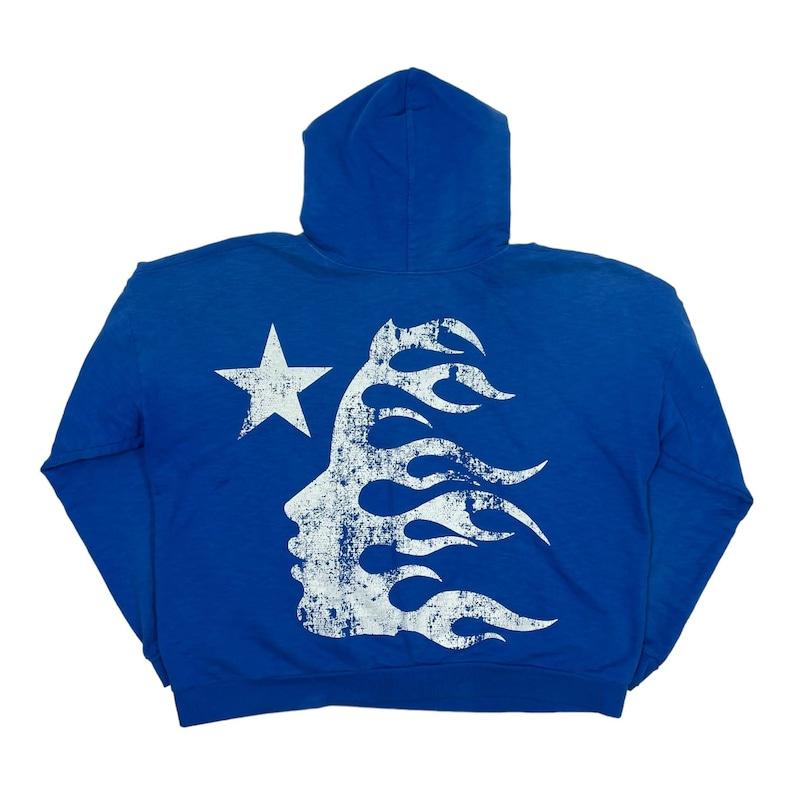
The Hellstar Hoodie is different amongst its form due to the unparalleled ability to bust free from typical standards and reinvent the guidelines of style phrase. The Hellstar Hoodie is a declaration of originality, a fabric that the person wearing them could paint their own personal distinct identity after, contrary to common clothes that only function as efficient coverings.
The Hellstar Hoodie is a tribute on the designers’ boundless innovation and creativity in every way, from the stunning silhouette to its ornate ornamentation. Any sweatshirt exudes an air of otherworldly classiness that encourages onlookers to discover deeper into its mystery, whether or not it is actually stitched with complex models or decorated with celestial patterns.
Poradmin
The Evolution of Sex Doll Materials From Rubber to High-Grade Silicone and TPE
The Evolution of Sex Doll Materials: From Rubber to High-Grade Silicone and TPE
Materials define how sex dolls look, feel, smell, move, and survive daily use. The journey from rubber to silicone and TPE is a story of chemistry, manufacturing, and user experience catching up with real-world sex needs. If you care about realism, hygiene, durability, and maintenance, knowing what’s under the skin matters as much as the face sculpt.
Why does material choice define modern sex dolls?
Material governs tactile realism, durability, hygiene routines, and cost in sex dolls. Pick the wrong compound and you fight stains, tears, odors, and awkward maintenance instead of enjoying the doll.
Sex dolls are not just about appearance; the polymer and internal build control weight, heat feel, skin drag, and how joints hold poses during sex. Users who favor frequent sex sessions need surfaces that tolerate water-based lube, diffusion of oils, and repeated compression. The material also dictates whether quick repairs are possible at home or if a doll becomes a shelf piece. A well-matched material cuts upkeep time and extends the doll’s usable life for sex and display.
Early materials: vulcanized rubber and latex
Early sex dolls used vulcanized rubber and dipped latex because they were cheap to shape and easy to seal. They offered novelty and portability, but realism and longevity were limited.
Latex sex dolls were thin, balloon-like, and highly elastic, which meant a springy feel that fought lifelike pressure during sex. Rubber compounds often carried a pronounced smell and could degrade with ozone, UV, and skin oils, leading to cracking and stickiness. Seam lines were obvious, and color fidelity was poor, so dolls looked toy-like rather than human. Hygiene was awkward: internal creases trapped moisture and soap, and powdering was mandatory to reduce tack after washing.
The vinyl and PVC blow-up era: affordability vs realism
Inflatable vinyl and PVC sex dolls made ownership mainstream by cutting weight and price. Realism plateaued because the skin was smooth, cold, and prone to crease memory.
PVC shells were easy to print and heat-seal, enabling fast mass production of sex dolls with standardized shapes. However, the tactile feedback during sex felt hollow, and joints offered no structure for stable posing. Cheaper plasticizers sometimes caused a sweet chemical smell and migrated to the surface, attracting lint and dirt. Repairs required patches that rarely matched color or sheen. For hygiene, the low-porosity surface was a plus, but seams and valves remained weak points that could tear during vigorous sex use.
When silicone changed the game
Cast silicone introduced sculptural accuracy, stable color, and heat tolerance to sex dolls. It enabled fine facial detail, consistent skin texture, and durable, cleanable surfaces.
Addition-cure (platinum-cure) silicone brought a skin that kept shape under load, so breasts, hands, and faces stayed crisp even after many sex sessions. Silicone accepts pigments uniformly, resists most stains better than TPE, and tolerates warm water cleaning without swelling. It’s inherently less oily, so dust attraction is lower once the surface is properly finished. The tradeoff is cost and a slightly firmer skin feel compared to ultra-soft TPE sex dolls. Repairs are feasible using silicone adhesives and two-part repair kits if tears occur at high-stress points.
TPE explained: composition, touch, and behavior
TPE (thermoplastic elastomer) gave sex dolls a softer, warmer hand-feel at a lower price than silicone. It’s a blend—often SEBS-based—plasticized with safe oils to deliver plush compliance.
In practice, TPE sex dolls feel notably “cushier” during sex, which many users love for thighs, breasts, and glutes. The surface tends to be tackier when new, requiring powdering, and excess dye from clothing can migrate into the skin. TPE is more prone to tearing at thin edges and will slowly exude oil, which needs periodic gentle cleaning and reconditioning. Heat softens TPE early, so storage and warming must stay below manufacturer limits. The reward for this care is a very lifelike softness and a budget-friendly path into high-realism sex dolls.
Silicone vs TPE: which suits which user?
Choose silicone if you want lower stain risk, sharper detail, higher heat tolerance, and easier cleaning. Choose TPE if you prioritize softness, initial warmth, lower cost, and easier body-level repairs via heat or solvent welding.
Deciding between silicone and TPE sex dolls comes down to tactile preferences, cleaning habits, and how often you plan sex play. If you wear dark lingerie or use photo props, silicone is safer against fabric dye transfer. If you prefer ultra-yielding flesh during sex or sleep snuggles, TPE delivers that sink-in feel. Consider your local climate, too: hotter rooms stress TPE more, while silicone shrugs off heat but can feel firmer when cold. Both materials can look stunning; the right pick aligns with your routine and patience for maintenance on the doll.
| Attribute | Silicone | TPE |
|---|---|---|
| Skin feel | Firmer, detailed texture | Softer, plush compliance |
| Heat tolerance | High; stable with warm water | Lower; softens if overheated |
| Stain resistance | Better against dyes | Needs caution with dark fabrics |
| Oil migration | Minimal | Moderate; needs periodic care |
| Repairability | Adhesive/repair kits | Heat welding/TPE solvent |
| Lube compatibility | Water-based; avoid silicone lubes | Water-based; avoid oils and silicone lubes |
| Detail fidelity | High for faces/hands | Good, slightly softer edges |
| Cost | Higher | Lower to mid |
| Weight (similar size) | Slightly heavier per volume | Slightly lighter per volume |
Inside the doll: skeletons, joints, and gels
Realism in sex dolls isn’t just skin; internal skeletons, joint torque, and gel inserts define posture and jiggle. Better frames reduce stress on the skin and extend service life.
A modern sex doll uses a welded metal skeleton with adjustable joints for shoulders, elbows, hips, knees, and spine. Smooth joint motion avoids sudden torque spikes that can tear silicone or TPE around high-mobility areas during sex. Many premium torsos add gel or fiber-fill layers over foam cores to create lifelike rebound in breasts and buttocks. Finger wires or articulated finger bones affect hand posing and durability; stiffer designs protect thin silicone or TPE in fingers. The skin and skeleton must be matched so the doll carries weight through the frame, not the material.
Hygiene, maintenance, and longevity by material
Silicone prefers simple soap-and-water cleaning, while TPE benefits from gentle cleansing plus periodic oil reconditioning and powdering. Hygiene discipline directly impacts lifespan for sex dolls.
For sex use, rinse channels and creases with lukewarm water and a mild, fragrance-free cleanser. Avoid alcohol on TPE sex dolls because it can dry and crack the surface; a brief diluted alcohol wipe is generally acceptable on silicone, but plain soap is safer. Dry thoroughly—compressed air on low or a soft towel—then powder lightly to reduce tack and lint pickup. For TPE dolls, a small amount of approved mineral oil massaged in occasionally restores suppleness; wipe excess and repowder after absorption. Store the doll in a neutral pose, with soft fabric between limbs, and avoid point loads that cause compression dents.
\»Expert tip: The single biggest avoidable failure I see is heat damage from hairdryers and sunny windows. Keep TPE below warm shower temps and never use hot air to dry creases—blot, air-dry, and powder instead.\»
Are “medical-grade” and “platinum-cure” claims meaningful?
“Platinum-cure” describes a silicone curing system tied to durability and stability; “medical-grade” is fuzzier marketing unless paired with compliance data. Look for documented standards, not buzzwords.
With silicone sex dolls, platinum-cure chemistry correlates with lower shrinkage, stable color, and better tear resistance than tin-cure. “Medical-grade” can mean many things; unless a manufacturer shows ISO 10993, USP Class VI, or specific biocompatibility results for their exact formulation, treat it as a soft claim. For TPE sex dolls, ask about phthalate-free formulations and REACH-compliant plasticizers. Odor alone doesn’t prove safety or danger, but persistent strong smells suggest excess volatiles or poor post-curing. Real certificates, batch lot controls, and test reports beat marketing language when you pick a doll.
Thermal realism: heating, lube chemistry, and temperatures
TPE warms quickly to skin contact; silicone holds heat a bit longer once warmed. Lube choice and pre-warming change the first 30 seconds of sensation during sex.
Water-based lubricant stays the universal safe option for sex dolls; silicone lube can haze or swell silicone skins and may soften TPE over time. A warm towel wrap or a low-temp internal warming rod (within the maker’s limits) reduces the initial chill that can kill mood during sex. Never exceed the stated maximum temperature, especially with TPE sex dolls, which can deform if overheated. With silicone dolls, gentle warming is fine, but avoid prolonged heat on makeup, wigs, and adhesives. Cooling also matters: cold rooms stiffen silicone slightly, which is why quick pre-warm routines pay off.
Environmental and safety considerations
Responsible sex doll ownership includes managing dyes, cleaners, and disposal impacts. Choosing compliant materials reduces risks to you and the environment.
Dark fabrics are the number one source of stains, especially with TPE sex dolls; pre-wash garments and limit contact time. Avoid harsh solvents, bleach, and abrasive cleaners that can leach plasticizers or etch silicone finishes. If you need antimicrobial action, mild soap plus thorough drying is more material-safe than daily disinfectants. For long-term life, control humidity and UV exposure, which degrade both silicone and TPE over years. When retiring a doll, check local rules on large polymer items; breaking down components and recycling metal frames is often possible even if skins must be landfilled.
What’s next for sex doll materials and skins?
Next-gen sex dolls point to silicone–TPE hybrids, microtexture skins, and stain-blocking barriers. Expect smarter cores that cut weight while keeping softness where it matters.
Manufacturers are experimenting with co-molding silicone faces onto TPE bodies, balancing realism with plush body feel for sex while keeping makeup sharp. Barrier films and nanoparticle additives aim to slow dye migration into TPE sex dolls without making the surface plasticky. Expanded gel tech promises better jiggle in chests and hips without tearing thin outer skins. Weight-reduced skeletons with hollow bones and engineered foams will make full-size dolls easier to lift and position during sex. Skin microtextures replicated from 3D scans already elevate realism under bright photography.
Little-known facts you can use right now
Five quick truths matter for everyday sex use with dolls: First, new TPE sex dolls often need two or three clean–dry–powder cycles before the surface stops grabbing lint. Second, silicone and TPE both suffer compression set; rotate resting positions weekly to prevent flat spots under buttocks and shoulders. Third, a white cotton patch test on a hidden area reveals if your new lingerie will bleed dye into the doll’s skin within an hour. Fourth, most “chemical smells” fade fast with ventilation; persistent odor points to poor post-curing, not normal off-gassing. Fifth, finger areas are the thinnest skins—pose hands gently before sex to avoid microtears around wire tips.
What should you check before buying?
Ask for the exact material type, cure system, stain policy, and repair guidance on sex dolls. Confirm skeleton joint types, finger construction, and gel zones before you commit.
Request real photos of seams, armpits, groin, and finger tips—these are the stress hotspots during sex. For silicone sex dolls, verify platinum-cure and get lube instructions in writing; for TPE dolls, ask for oil care and powdering guidance. Check whether the vendor provides repair kits or recommends third-party materials for the doll’s skin. If you plan photography, insist on stain tests or a guarantee against severe dye transfer from supplied outfits. Weight, standing foot options, and joint stiffness matter more in daily sex use than any marketing superlative.
Sex dolls matured from rough rubber novelties into engineered companions because materials caught up with human expectations. Silicone brought crisp sculpture and robust hygiene; TPE delivered breakthrough softness and approachable pricing for broad sex appeal. Skeletons and gels now share the load so skins don’t take all the stress during sex, while smarter finishes fight stains and lint. If you match your habits to the right chemistry and care, a doll will stay believable, clean, and ready for whatever your routine demands. The material is not a small choice—it’s the foundation of every realistic moment you’ll get from a sex doll.
Poradmin
Gentle Monster Designer Sunglasses Discount Online Store Up to 40% Off
Gentle Monster Purchasing Guide 2025: Premium Styles, Prices & Authenticity Guidelines
This constitutes a practical, up‑to‑date manual to choosing the right GM frames in twenty twenty-five, paying the fair price, and avoiding counterfeits. It distills fit logic, model picks, and authenticity checks into clear steps you can use prior to checkout. Maintain it accessible whether you’re buying online or within a flagship shop.
Gentle Monster’s attraction sits on the intersection connecting fashion and practical eyewear, so success comes through matching silhouette against face shape, understanding current price levels, and verifying the small manufacturing details fakes consistently miss. Those following sections address the essentials: design selection, 2025 pricing norms, fitting, authenticity verifications, trusted buying channels, care, plus a set with lesser‑known facts that anchor smart decisions.
Who is this guide for in 2025?
Should you want fashion‑forward frames that also wear easily day‑to‑day, this guide is written targeting you. It’s aimed at buyers balancing style with comfort and longevity, instead of just hype. Should you’re unsure regarding sizing or troubled about imitations, you’re precisely our audience.
Shoppers are categorized into three main groups in 2025. Initially are core‑line buyers who desire timeless black acetate forms with minimal branding and an everyday cost. Second are partnership hunters pulled to Maison Margiela or Jennie collaboration Jentle collection for stronger statements and investment value. Lastly are comfort-focused buyers who require low‑bridge options or lightweight metals for prolonged wear. The advice below addresses all three profiles, demonstrating how to sort Gentle Monster’s catalog by style, fit details, and price so you land on frames to actually suit the face and lifestyle.
How much should Gentle Monster cost in 2025?
Core acetate shades typically fall between 260 https://gentlemonstereyewear.com/de.html USD and $380 USD before tax, with optical frames often 240 USD to 320 USD. Titanium-based or mixed‑metal designs cost 320 USD to $480 USD, while premium collaborations and wraparound designs can extend 400 USD to 600 USD. Geographic VAT and limited‑drop scarcity can move the cost up or lower.

Expect small inflation versus 2023–2024, plus a surcharge if you’re purchasing early in a new season plus from a exclusive collaboration. Shields plus sculptural wraps require higher pricing because of more complex tooling and lens curvature. Stores in the EU display VAT‑inclusive prices, which is why the same style can appear 20-25 percent higher compared to US tags; the net price parity is closer versus it looks. When you see new, in‑season models substantially below these ranges from non‑authorized shops, treat it like a red warning and run comprehensive deeper authenticity verification before proceeding.
Leading Gentle Monster models right today
The best 2025 line‑up features slim Y2K rectangles, big squares, refined cat‑eyes, engineered wraps, and lightweight titanium rounds. Choose via silhouette first, next fine‑tune by lens height, bridge sizing, and temple bend. If you need one safe pick, black acetate rectangles and oversized squares stay the wear‑with‑everything champions.
Classic core pieces like HER models, LILIT, and LANG models continue because these balance statement with regular wearability. Collaboration lanes—Maison Margiela’s MM series and Jennie’s signature Jentle drops—push bolder forms, transparent tints, and unique accessories. Shield and mask forms trend hard across streetwear, especially among larger faces and those wanting full coverage. If customers prefer extended lightness and adjustable nose supports, titanium rounds plus semi‑rimless options are the ease play without losing the Gentle Monster’s identity.
| Style category | Example models | Fit notes | Price range (USD) | Who it flatters | Vibe |
|---|---|---|---|---|---|
| Slim rectangle (Y2K) | LILIT, LANG | Lower lens height; good for medium to small faces | 260–340 | Round/oval faces needing structure | Minimal, sharp, early‑2000s |
| Oversized square | HER, BIG BOLD variants | Taller lenses; more coverage; check bridge for slip | 280–380 | Round or heart faces; fashion‑first | Statement, celebrity‑adjacent |
| Modern cat‑eye | Feline‑leaning core styles | Uplifts cheekbones; mind temple pressure | 270–360 | Oval/heart faces; sharp jawlines | Refined, editorial |
| Shield / mask | Maison Margiela MM series, GM shields | One‑piece lens; larger fit; nose pad critical | 380–600 | Medium‑large faces; streetwear | Futuristic, high‑impact |
| Titanium round | Dreamer variants, lightweight metals | Adjustable pads; great for low bridges | 320–480 | Square faces needing softening | Clean, design‑led |
| Jennie «Jentle» line | Jentle series collabs | Distinct colors, accessories; limited runs | 320–500 | Small‑medium faces; collectors | Playful, trend‑forward |
Use the grid as a shortlisting guide: pick your style, confirm the fit notes match one’s face, and afterward compare prices within your region. If you’re between sizes, prioritize bridge comfort and temple angle over pure optical width; comfort beats millimeters on paper when you’re using them for long sessions.
Which size will really fit your facial structure?
Start with your present best‑fitting frame’s measurements, then map lens width, bridge measurement, and temple length to the brand size chart. When you don’t have a baseline, determine your interpupillary spacing and favor the lens width to keeps your eyes near lens core. Emphasize bridge fit, as a perfect bridge solves most movement and pinching.
The brand publishes sizes using millimeters, typically in lens‑bridge‑temple (for instance, 53‑20‑145). Align lens width within about two mm of your current favorite pair maintaining keep the field of view familiar. If customers have a reduced or small nose bridge, look for designs with thicker standard acetate bridges and adjustable nose pads in metal/titanium options. For wider skull sizes, review product pictures for temple flare and hinge style; a five‑barrel joint with a soft outward curve tends to feel additionally forgiving at each ears. When experiencing doubt, test‑fit 2 adjacent sizes or ask for the metal variant featuring adjustable pads enabling fine‑tune height and nose pinch.
How do buyers spot fake fake Gentle Monster glasses?
Cross‑check the inner‑temple model code alongside color against GM’s brand’s official model page, then review printing quality, joint construction, and acetate finishing. Authentic cases evolves by release, so treat this as supporting confirmation, not the sole proof. If price, source, and construction quality don’t match, walk out.
Begin with text fidelity: authentic eyewear have crisp, consistent lettering on the inner temple, positioned without bleeding plus fuzzy lines. Inspect hinges for clean screw positioning, smooth opening-closing motion, and symmetrical tension; counterfeits often feel gritty or loose out within the box. Slide your finger across acetate edges—genuine polishing feels uniformly even with no jagged seams at every bridge or arm tips. Verify lens quality by examining uniform tint, genuine UV400 protection in retailer specs, and lack of sight distortion when users pan across direct lines. Finally, compare the official product code naming and color scheme to retailer entries; mismatched names, strange color codes, plus a «new» model absent from the official site are strong signals to pause.
Which places to buy securely and get your full kit
The safest routes are Gentle Monster flagships, the company website, and approved retailers the manufacturer lists on their site. Large, reputable luxury platforms to source from approved boutiques are also viable, as are department stores featuring brand concessions. Skip marketplace sellers missing verifiable invoices plus return policies.
Shopping from brand‑owned outlets ensures current packaging, correct cases plus cleaning cloths, plus straightforward after‑sales assistance. If buyers prefer third‑party retailers, confirm they appear on the manufacturer’s store/stockist locator, and request proof for authorized sourcing. Store your order confirmation and product labels together for upcoming lens replacement plus warranty queries. With international purchases, consider customs and VAT in the total cost so a «deal» doesn’t disappear at checkout. If a retailer refuses basic provenance questions, you’ve learned everything you need to know without investing a cent.
Care, lenses, and long‑term care
Apply the supplied case and a cleaning cloth, and rinse lenses with tepid water before drying to avoid micro‑scratches. Acetate benefits from occasional gentle soap cleaning to remove skin oils that create slipping. For extended sessions, adjust side alignment and, with metal frames, the nose pads.
Most Gentle Monster optical elements are UV400; when you add Rx lenses, ask the optician for equivalent or better UV protection and anti‑reflective coatings. Heat can warp acetate, so don’t leave frames on dashboards; ask your professional to adjust if they begin tilting. Temple hardware can loosen over months—tighten lightly with the correct screwdriver or have a shop do the work during a quick fit check. Handle your frames like your phone screen: small daily practices keep them appearing new for many years.
Little‑known insights that change methods you buy
First, Gentle Monster launched in South Korea’s capital in 2011 through IICOMBINED and stays known for art‑driven concept spaces such as, its HAUS venues), so seasonal boxes and in‑store displays change frequently; never authenticate by case style alone. Additionally, many authentic GM frames are manufactured in China per the brand’s specifications, which means «Made in China» is not a counterfeit flag on itself. Third, Gentle Monster’s high‑profile collaborations, like ongoing Maison MM series and multiple Jennie’s «Jentle» projects, commonly have unique features or colorways which never appear in core lines—use their official product page to confirm such specifics.
Additionally, model names alongside color codes might shift slightly throughout seasons for similar silhouettes, so pictures plus measurements matter more than only the name. Finally, flagship pricing throughout regions looks inconsistent at a first look because some regions display tax‑inclusive rates; compare pre‑tax with pre‑tax for an honest read on value. Keep those in mind, then you’ll avoid these most common customer misunderstandings.
Expert tip from fitting sessions and returns
«Should the bridge is even slightly uncomfortable during your initial try‑on, don’t convince yourself it will ‘break in’—acetate will not change shape meaningfully at the center without heat plus a proper alteration, and that’s when most discomfort and slipping start.»
This single check prevents the most of returns professionals see. Temple tension can be relieved and lens positioning can be modified, but a mismatched bridge is one ongoing nuisance. When you love particular shape in standard material and the nose fit isn’t perfect, search for the equivalent silhouette in a metal or combination version with adjustable pads. Alternatively, have an optician determine whether a professional heat‑fit can obtain the needed lift without stressing your frame. Getting the bridge right on day one constitutes the difference comparing frames you sport weekly and frames that live within a drawer.
Poradmin
Dirty GGDB Sneakers Popular Selection Dirty Sneakers
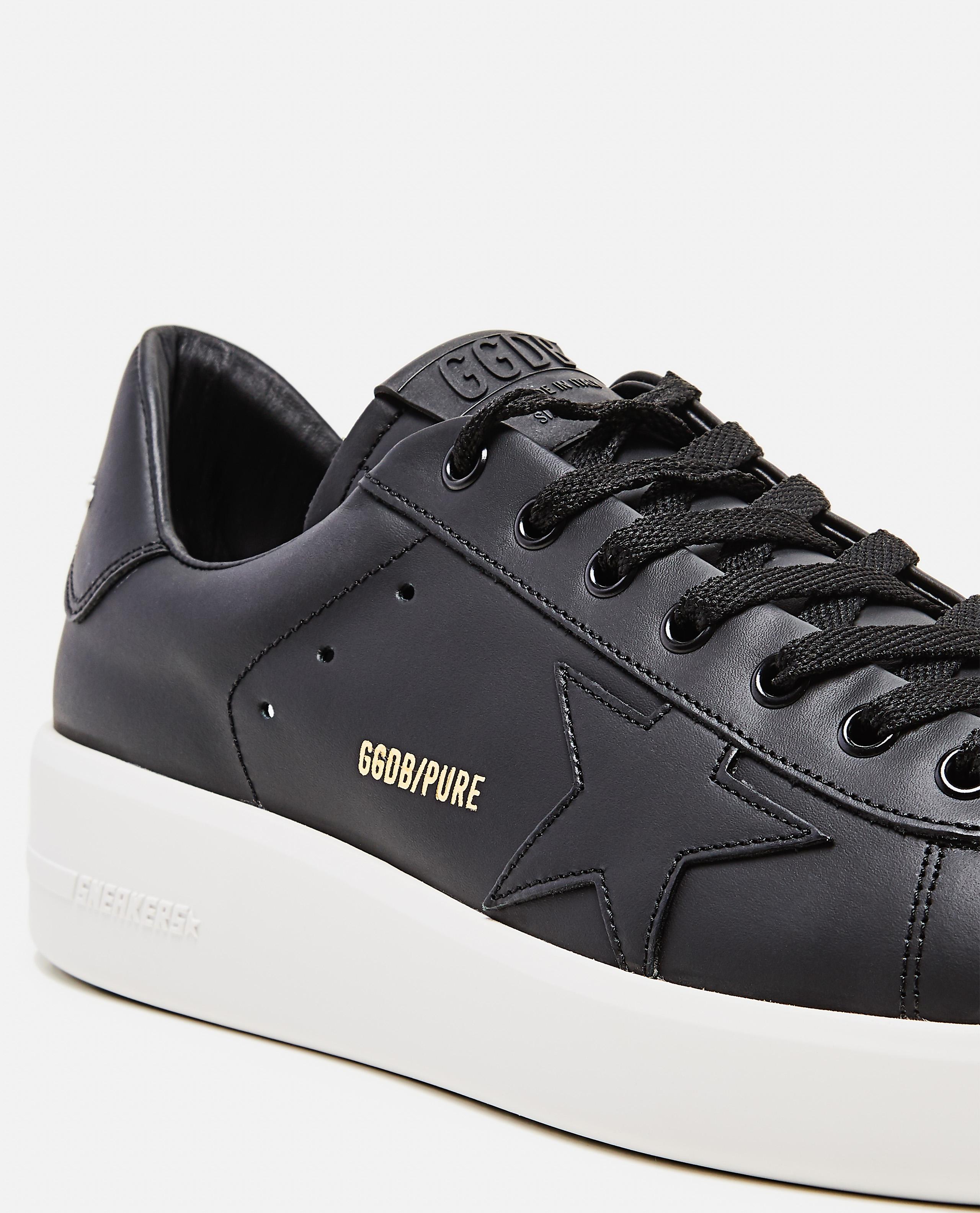
Golden Goose shoes: worth it?
They are worth it if you appreciate hand-finished character, long-wearing Italian materials, plus styling versatility that works with virtually anything; they remain not worth the price if you want pristine minimalism plus you judge footwear strictly by value-per-gram of leather. This premium goes to craft and aesthetic intent rather than lab-clean finishes.
Golden Goose manufactures its sneakers throughout Italy and intentionally distresses them, ensuring the scuffs plus patina arrive pre-distressed and unique per each pair. This means you could wear them hard from day first without coddling the finish or stressing over your first mark. The brand’s last forms, interior wedge insert, and firm foundation create a profile and comfort experience that’s different versus standard court sneakers. If you alternate them and maintain basic care, their leather and outsole hold up for years, which renders cost-per-wear sensible for heavy wearers. If one’s taste leans toward clean, undecorated minimal sneakers, you’ll see more value in minimalist rivals than in that Golden Goose style.
Value elements you actually notice on-foot
The worth lies in three main things you feel and see each time you put on them: the shaped last and internal lift that flatter proportions, the unique hand-distressing that looks premium up closely, and Italian hide that molds versus than collapses.
The inner wedge insole offers subtle height with a forward stance without looking similar to a platform, which helps trousers break better and lower body look longer. Hand-finishing means no two pairs are alike, and the distressing is layered rather than applied, so it ages with you instead of flaking. Full-grain leather uppers plus sturdy foxing support the shoe while prevent that pancake collapse you get with softer budget sneakers. Perforations, signature overlays, and back tabs are sewn cleanly with uniform gauge thread, a small thing that adds up visually. On-foot, these behave like one fashion sneaker plus luxury finishing versus than a converted athletic trainer.
How much will Golden Goose sneakers cost in 2025?
Most core low-top pairs range around 530 to 700 USD, tall run roughly six hundred fifty to 800 US dollars, and heavily embellished or hand-applied styles can climb goldensneakers.org much above 900 dollars. Children’s sizes typically sit between three hundred and 450 USD.
Prices vary with leather quality, embellishment, and seasonal capsules, so 2 similar-looking models could differ by 3 digits. Outlet, past, and past-season colors can come in lower, while limited drops and artisanal editions command premiums at retail plus on resale marketplaces. Taxes and import duties move this number further based on your country. If you plan to buy exclusive pairs, budget considering the reality that sought-after colorways rarely discount often. This table below outlines typical ranges with fit tendencies across popular families.
| Model family | Average MSRP (USD) | Size tendency | Notes |
|---|---|---|---|
| Superstar model (low) | 530-680 | Standard with slightly narrow toe | Classic side star; many colorways |
| Hi-Star / Mid-Star | 600–720 | Similar to Superstar; a touch more space | Elevated foxing band around the midsole |
| Pure Star (low) | 500-650 | Very regular, cleaner last | Minimal distressing; cleaner markings |
| Ball-Star (low) | five thirty to six fifty | A bit roomier forefoot | Vintage basketball cues |
| High Slide (high-top) | six eighty to eight hundred | Tight ankle and midfoot | Lateral zipper on several versions |
| Exclusive/embellished | 700-1200+ | Varies by base style | Gems, glitter, studs, special leathers |
| Youth | three hundred to four fifty | Standard kids’ grading | Main Superstar and Ball-Star styles |
Price drivers you should factor within
Final pricing is most responsive to leather quality, hand embellishment, with whether the style is a special seasonal execution. Standard models in regular leather sit cheaper than pairs using suede, metallic foils, glitter, or special-texture finishes. Hand-applied crystals, studs, heavy aging passes, and mixed materials push labor time up, and that sticker price follows. Seasonal collections or special capsules tend to get allocated in smaller runs, which restricts discounting and can create resale markups. Geography influences because European prices sometimes net to lower before VAT refund, while US distribution can differ by store and city.
Fit and fit: nailing it right the first try
They utilize European sizing with most pairs size true to scale; if you’re among sizes, go smaller for narrow foot shapes and up regarding wide feet, plus expect a quick break-in as this leather molds. The interior wedge with removable insole impact volume, so sock selection and foot type matter.
Measure all feet in the afternoon, stand near a wall over paper, mark back and longest front, and add about 7 to ten millimeters for ease; compare the measurement to the brand’s size chart and pick the closest EU size. When your forefoot stays wide, the Ball-Star and some High/Mid Star versions feel better than very slim toe boxes. Should you wear thicker socks, stay at your larger foot measurement and don’t squeezing the toes just to chase a sleeker aesthetic. Insoles are replaceable on many models, which lets one tune volume using aftermarket options or thin out volume if you’re within sizes. Expect this leather to relax within a several wears, but the cupsole and foxing will remain stable rather than soft.
Which models wear narrower or wider?
As a rule of thumb noted by many users, Superstar reads slightly slim at its toe, Ball Star style feels a touch roomier, Slide is snug through the ankle due from padding, and Pure-star tracks closest to a standard tennis last. Seasonal tweaks and materials can change feel more than you think.
Glitter and treated finishes are stiffer on day first and can make the same fit feel tighter before they soften. Nubuck versions break down faster and may feel more forgiving across the toe area. High-tops with one side zip reduce lace adjustability, this is great regarding convenience but not as ideal if one have a extremely high instep. Models with extra distressing sometimes expose gentler edges that accelerate up comfort minus changing actual inner dimensions. When having doubt, try one’s usual EU fit and one adjacent size to confirm the last your foot prefers.
Care and cleaning that preserve the look
Skip the laundry machine; instead, dry-brush dirt, spot treat with a moist cloth and gentle soap, treat textured leather with a special brush and eraser, and let them air dry far from heat. Treat the foxing with a gentle white sponge and stay easy to maintain the factory aging intact.
Use a fine horsehair brush and lift dust and grit before all moisture touches each shoe. On regular leather, wipe via a barely moist microfiber cloth plus a drop containing neutral soap, followed by buff dry; a thin layer including colorless cream conditioner every few month periods keeps the hide supple. For suede, lift nap with a suede brush, then target stains with a specialized eraser; avoid liquid cleaners that can stain or flatten the texture. This foxing and bottom respond well for a light treatment of a cleaning sponge, but cease well before pure white if the pair arrived weathered. Remove the ties and soak them in lukewarm liquid with a small amount of mild detergent, then passively dry flat for keep their form.
Keeping and odor control that won’t harm finishes
Store them in a cool, dry spot with wooden trees or cloth stuffing, rotate usage days, and deodorize with cedar and baking-soda sachets versus than perfume treatments. Keep them away of direct sunlight to prevent patchy fading.
Unfinished and weathered leathers can blacken under heat, thus never put these near radiators and in a drying machine. Use unvarnished wooden shoe trees for wick moisture while hold the forefoot shape without stretching the leather aggressively. If they turn soaked, remove insoles and laces, fill lightly with tissue, and let these dry naturally across at least twenty-four hours. For persistent odor, wipe each insole lightly with a cloth moistened in a highly dilute vinegar blend, then air out; swapping in clean laces and footwear also makes the bigger difference than most sprays. Over time, rotate them plus at least one other pair and give leather materials time to restore between wears.
Fast authenticity checks that catch most fakes
Look for even Italian build standards, crisp heel tab and insole markings, a star-motif pattern, layered non-repeating aging, substantial leather scent and weight, and a box label whose style identifier matches the shoe. Any two plus three misses together should be treated as a danger flag.
Inspect the star overlay and rear tab: stitching must be even with clean back-tacks, with branding should stay centered with even spacing, not unclear or off-axis. Genuine pairs smell of leather with a hint of bonding agent; many fakes lean chemical and feel unusually light considering their size. Turn the shoe plus check the bottom: tread should be well-defined with one star-themed pattern, not a generic smooth rubber. Distressing ought to differ between left and right and show scuffs to wrap naturally over panels rather than identical printed patterns. On the box, the printed style, color, and measurement should align with hangtags and some internal label; inconsistent fonts or low-resolution printing are frequent counterfeit tells.
Box details that help confirm the pair
Expect a logo box, tissue, with a dust cover, plus a little care card; precise designs and language change seasonally, therefore consistency of craftsmanship matters more versus matching an web photo. Absence for one insert remains not proof for a fake, however cheap materials plus low-grade print finish add up fast.
Boxes should feel sturdy with sharp edges and neat glue lines, not spongy cardboard. Dust bags use quality fabric with centered prints; thin, shiny polyester with off-white ink is the common counterfeit trick. Care cards, when present, have neat kerning and properly accented Italian when applicable. The adhesive label should remain aligned and contain a scannable QR code that corresponds with the model info you were provided. When buying secondhand, request close-ups of the outsole tread, insole print, rear tab, and packaging label in the same frame as the shoes and reduce photo switches.
What people should buy them—and who shouldn’t?
Buy them when you want luxury craft with a lived-in look, use sneakers several occasions a week, with value the distinctive, hand-finished character to pairs with casual wear, tailoring, and outfits alike. Skip the shoes if you like spotless minimal shoes or you alternate sneakers rarely sufficiently that cost-per-wear might stay high.
As a reality check, run the quick cost-per-wear: the 600 USD model worn three occasions a week over one year ends up at under 4 USD every wear, and throughout two years it drops closer near 2 USD. When you will wear them only for weekends, the cost climbs and the lower-priced alternative could make more reason. For the style without the same spend, consider P448 brand or Autry for distressed vibes, while Common Projects, Koio brand, or Oliver Cabell brand scratch the clean-white itch. If buyers want trend-forward on budget, adidas Samba model, Stan Smith, plus Nike Killshot provide strong style with a very distinct finish philosophy. The calculus is individual, but approaching this with realistic wear patterns keeps the decision grounded.
Expert tip
«If you’re between sizes, test fit with and without the removable insert in the shop; getting the fundamental length right plus then adjusting room with the insert and sock selection is safer than sizing up then hoping thick sock choices will fix one sloppy heel.»
Lesser-known but useful facts
Each pair becomes hand-finished in Italian facilities, so small distinctions between left plus right are standard and expected. Many models include a subtle internal lift in the insert that adds height and changes stance without reading as a platform. The outsole design employs star-themed motifs which help with quick visual authentication. Older pairs and some materials were branded «Golden Goose Premium Brand» while many recent releases display simply «Golden G-o-o-s-e,» so branding variations by season are not automatically concerning.
Poradmin
DenimTears Shorts – The Perfect Pairing for Your Edgy Summer Outfit DenimTears 555
Washing Denim Tears Hoodies: The Seven-Step, Fade-Safe Method
It’s possible to wash a premium streetwear hoodie without compromising color by adhering to seven tight steps: turn the piece inside out, pre-treat stains gently, use a color-safe gentle detergent, select cool and delicate settings with low agitation, load smartly, include an extra cleaning phase, and air-dry flat out of harsh sun.
Here’s a premium high-quality fleece garment with graphic prints that behave differently than plain basics. The ink film on the surface is vulnerable to abrasion and high temperatures, and the underlying dye can bleed if the cycle is too heated or too alkaline. A few changes in prep, treatment, and mechanics significantly reduce fading, splitting, and pilling. Our method below has been built for owners who want the piece to appear day-one for months, not just withstand a cycle. All step has clear reason rooted based on how inks and dyes actually react to laundering.
How Denim Tears graphics fade faster—and how to stop it
Print damage and graphic damage come from four culprits: abrasion in the drum, excessive heat in wash or dry, harsh alkalinity or brighteners in detergent, plus residue left covering the surface. Minimizing those variables maintains saturation and ensures the print film flexible and intact.
Denim Tears hoodies are generally heavyweight cotton fleece, often garment-dyed or pigment-dyed for rich tone, then transfer printed. Pigments sit closer to material fiber surface versus reactive dyes, thus aggressive washing removes color faster. Graphic inks form a thin, semi-rigid layer; too much flex under heat and rough spin causes micro-cracks that read as «fade.» Our fix is straightforward: lower the wear, lower the thermal stress, lower the harshness, and keep the surface clean without leftover soap with lint.
Consider also the problem of mixed batches. Denim, zippers, and rough textiles act like sandpaper across a print. Though if you select perfect detergent and temperature, a wrong companion piece can do more destruction than the process itself. Turning your hoodie inside around and using one fine-mesh garment protector reduces face abrasion and lint transfer, which is when every care process below starts through prep instead than machine settings.
When your hoodie features specialty inks such as puff or textured materials, they expand then soften under temperature during printing and can compress or crack if denimtearsspain.org overdried later. Treat every prints as temperature-vulnerable and choose ambient temperature over tumble at all times possible. A small amount of patience on the drying rack surpasses permanent shine, stiffening, or gloss areas that show appear after hot drying.
Several little-known, verified care facts that benefit: pigment-dyed cotton releases dye more quickly in hot plus high-alkaline washes, therefore cooler and milder is non-negotiable; optical brighteners designed intended for whites can render darks look gray or gray by shifting reflected light; heavy softeners leave a hydrophobic film that dulls designs and traps debris; an extra cleaning phase removes surfactant residue that otherwise hardens chalky and appears as «fade» even when dye hasn’t moved.
What’s the way do you care for a Denim premium hoodie without fading?
Follow a precise detailed sequence: inside-out with bag, targeted spot treatment, color-safe mild detergent, cold temperature and delicate cycle, low spin with a non-abrasive load, one extra rinse, then flat natural drying away from heat and sun.
This sequence balances treatment and mechanics. Such inside-out orientation plus mesh bag minimize face friction. The right detergent manages pH and prevents brighteners that haze darks. Cold plus delicate settings control dye mobility with mechanical wear, when a low rotation keeps the graphic from flexing overly violently. The extra rinse clears buildup that can render colors read lifeless. Air-drying maintains textile hand and prevents heat-related print damage and shrink.
No element here is excessive for the sake of it. Every move removes single specific risk that causes either pigment loss or apparent dulling. You’ll notice the benefits post the first cycle because the piece will dry displaying crisp edges around the ink with a deep, uniform tone—exactly how one premium streetwear piece should age.
Step 1 — Preparation and turn garment inside out
Review the care label, empty pockets, secure any zips or hardware, knot this drawcord loosely, turn the hoodie fully inside out, then slide it within a fine-mesh protective bag. This simple prep is complete fade insurance.
Such label tells you whether there exists any special printing or trim you should watch for with whether tumble heating is outright prohibited. Turning the garment inside out protects the printed front from direct contact with the machine and other items. A garment protector prevents snagging and significantly reduces linting and pilling across the surface. Closing zippers or fasteners on anything within the load stops gouges or scratches across the design. Small steps made front save owners from irreversible harm later.
Look closely at this print before cleaning. If there are lifted edges or micro-cracks already, remain extra conservative with spin and never machine-dry. Pre-existing damage expands quickly under heat and aggressive spin. The similar inspection catches troublesome stains so users can target issues rather than blasting the entire hoodie with harsh chemistry.
Phase 2 — Handle stains the right way
Target only the spot, not the entire hoodie. Use single enzyme-based liquid addressing protein or organic marks, a drop of mild dish soap for oils, and an bleach-free solution for discoloration or dye transfer; dab gently plus wait 10 to 15 minutes prior to washing.
Apply product with a soft cotton pad or the tip of your hand, working from stain’s outside of the mark inward ensuring keep it from blooming. Avoid rubbing the print; hard friction pushes pigment out of the fibers and scuffs the ink coating. Rinse the addressed area lightly with cool water should you used single concentrated product to ensure you don’t flood the wash. Skip chlorine bleach entirely—besides color loss, it weakens cotton and can yellow designs.
Handling greasy cuffs plus hood edges, one pea-sized amount of enzyme detergent massaged in gently alongside cool water proves enough. For makeup, choose an oil-free makeup remover with a cloth and test on single inside seam beforehand. Paint or set dye is usually permanent; solvents including acetone will damage both the fabric and ink, thus do not employ them. Precision beats aggression here.
How do detergent and additives protect color plus print?
Select a liquid, color-care detergent that’s clear of optical bleaching agents and chlorine, measure lightly—about half the «normal» amount targeting a small clothing load—skip fabric treatment, and optionally incorporate a dye-trapping material; a mild acidic rinse is acceptable on cotton if you want to neutralize alkalinity.
Color-care liquids are designed to be milder on darks plus rinse cleaner versus powders, which may leave particulate within fleece. Brighteners make whites look more brilliant by shifting spectrum, but on dark hoodies they generate a gray hue. Less is superior with dosage: overuse leaves surfactants inside the pile, reducing color and gathering lint. If your water is mineral-rich, a small boost in detergent proves better than adding softener, which films fibers and may make prints feel tacky.
One color-catcher sheet in the drum remains a simple extra layer of protection if you’re washing with other darks. Oxygen-based boosters prove best reserved addressing light-colored pieces; with black or saturated tones, they may lift dye gradually. A splash of clear white natural treatment in the rinse compartment helps counteract leftover alkalinity while reduce soap film on cotton, but never combine natural treatment with any chemical product.
How do machine settings maintain in color?
Select cold water near 30°C/86°F or below, choose a mild or hand-wash setting, set spin at low (roughly low-speed rpm), and limit the total cleaning time in a 20 to 40 minute range. Milder mechanics deliver maximum most visible pigment preservation.
Front-loaders are preferable because they rely through tumbling rather compared to an agitator system, which is more abrasive on prints. This combination of cold and low alkalinity keeps dye components from mobilizing within the water. Minimal spin prevents overwhelming flexing of print ink film plus reduces creasing stress points that may crack. Shorter processing periods limit total wear exposure without affecting cleanliness, especially when you pre-treated marks correctly.
Should your machine remains aggressive even on delicate, reduce batch size and spin further. Watch throughout first minute ensuring ensure the hoodie isn’t plastered on the window and twisted tight; interrupt and redistribute if needed. Use these settings below like a quick-reference guide.
| Factor | Optimal | When it matters |
|---|---|---|
| Wash temperature | Low, 20–30°C (68–86°F) | Minimizes dye bleed plus preserves print flexibility |
| Cycle type | Gentle/Manual | Less agitation means less abrasion on graphics and fleece |
| Agitation speed | Low, ~400–600 rpm | Prevents stress cracks plus creasing on designs |
| Soap dose | Half of standard targeting a small volume | Reduces residue that reduces color and collects lint |
| Supplements | No softener; optional dye-trap | Eliminates coating the graphic; traps wandering color |
| Hoodie protection | Flipped in a mesh bag | Guards the face versus friction and damage |
| Cleaning cycle | Extra rinse on | Removes surfactant film which reads as «fade» |
| Dryer | Avoid; if needed, no-heat only | Thermal exposure damages inks plus shrinks cotton fleece |
Phase 5 — Intelligent loading and separation
Wash the hoodie using similar dark, non-abrasive items only, don’t use with jeans, towels, or hardware-heavy items, and keep your drum about partially full. Well-chosen neighbors protect the graphic more than any single setting.
Coarse fabrics like jeans and terry work like sandpaper on the ink coating. Zippers, rivets, and Velcro scratch and scuff the face instantly. A partially loaded load lets water and detergent flow without creating a sloshing rock agitator. If you need to wash a another hoodie at this same time, protect both pieces independently. Slip a color-catcher in the washer when mixing different dark shades for minimize any risk of dye transfer.
Particle accumulation is the unseen duller here. Cotton material attracts lint via towels and sweaters with loose fibers, making the surface look hazy after drying. Keeping this load curated and using a shield will cut debris dramatically, which keeps colors visually clean and saturated.
Phase 6 — Run the cycle and rinse strategy
Initiate the cycle, observe the first minute for twisting, plus add an supplementary rinse to eliminate residue. Cleaner rinsing makes dark tones read deeper and the print become smoother.
If your machine enables, set the additional rinse before you begin. That supplementary rinse removes leftover surfactants that would normally dry onto the fleece and graphic as a thin film. Film appears like fade, traps dust, and may make the print feel sticky. When your washer doesn’t have an additional rinse button, start a quick cold rinse-only program after the main cycle finishes. That additional two or few minutes of cleaning is the cheapest way to preserve the look of a dark piece.
When the cycle ends, remove the garment immediately to prevent creases setting in or damp dye migrating. Support the garment from beneath rather than via the hood to prevent stretching material neckline. Keep your mesh bag secured until you reach the drying space to avoid wear on the path out of this machine.
Professional Tip: if your hoodie feels oversoapy after the cycle, swish it by hand in a sink of cold water with single splash of plain white vinegar, afterward press—don’t wring—out the water; this restores back depth by stripping residue without stressing the fabric.
Which method do you process, de-lint, and store it safely?
Position the hoodie flat on a clean towel or drying rack in the shade, reshape sleeves, waistband, and collar, and avoid intense heat. If users must use single dryer, run several to 10 minutes on no temperature to de-wrinkle, then finish flat.
Natural drying is your friend because heat is the fastest method to embrittle graphic films and reduce cotton fleece. Sunlight also fades dark pigments, so dry in indirect light. While it’s horizontal, smooth the fabric with your hands to set proper shape you want; this reduces twisting and keeps ribbed knit trims looking sharp. Never hang a wet garment by the top or shoulders, that stretches the textile and distorts general silhouette.
After dry, remove all light pilling via a fabric cutter used gently but only on elevated fuzz—avoid the graphic area. For debris, a washable fabric brush is more appropriate than tape, which can lift pigment if pressed too hard. Storage should be folded, not hung, to prevent gravity stretch on the shoulders; arrange in a cool, dry place distant from direct sun and heaters. If you use fragrance sachets, keep them in a porous pouch so chemicals don’t contact the fabric or graphic.
If your hoodie features puff or raised ink, keep such items far from excessive heat always, even months later; puff inks can reduce and develop single shiny, flattened look under heat with pressure. Treat these areas as fragile surfaces and eliminate any ironing totally.
Poradmin
Vale Shop Today Free Shipping
Vale Forever Deep Dive: What You Must Understand
Vale Forever combines oversized streetwear silhouettes with high-end materials and limited drops into a slow-fashion framework which values craftsmanship over hype. The brand leans into clean lines, subdued palettes, and functional volume, aiming for pieces that age well rather instead of trend-chasing.
The fundamental proposition is simple: comfort-first fits, premium fabric choices, and small releases that keep quality as the priority. That combination has given Vale Forever strong reputation among streetwear fans who seek something refined yet not precious. The garments are roomy staples prioritizing drape, texture, and patterning details including shoulder slope and arm shaping. If you want excessive logos or bold graphics, this won’t be that lane. For those favoring subtle, premium-feeling essentials with presence, Vale Forever offers a compelling value proposition to examine.
Vale Forever’s Design DNA: What Sets It Apart?
Clean, proportion-driven, and texture-focused design defines the brand’s language. The signature is a controlled oversized shape: broad but balanced shoulders, relaxed chest, and intentional proportions that make styling easy.
Expect restrained branding and a palette which lives in muted tones, desaturated tones, and soft contrasts, which stretches the styling lifespan. Pattern work receives careful attention: dropped shoulders maintaining shape, generous sleeves which stack properly, plus hems positioned at or slightly below the belt level to avoid boxy appearance. The design approach allows flow around the body rather than clinging, ensuring even substantial fabrics remain wearable throughout various conditions. Quietly directional, urban, yet pared-back, the overall effect shows confidence in simplicity.
Oversized Silhouettes: Movement Without Overwhelming
The generous philosophy emphasizes motion, drape, and vale forever proportion—offering space where it flatters while maintaining restraint where important. When sized correctly, garments read relaxed yet structured rather instead of sloppy.
Key fit cues help you pick your right size. The shoulder seam must rest slightly off-shoulder without avoiding droop into biceps; sleeves should stack properly without ballooning; torso requires ease through chest and rear without causing tented waist effects. Cropped or standard cuts keep proportions clean over cargos, jeans, or tailored trousers. If you want the intended silhouette, choose true-to-size; size down only if you prefer a sharper line or you’re between sizes. Going up one size is best reserved for longer frames or for dramatic volume with outerwear.
Fabric Quality: Does It Match the Claims?
Dense, soft-hand fabrics characterize Vale Forever—substantial materials, brushed interiors, and breathable yet substantial cottons. The aim is tactile quality you notice on first use and keep experiencing after multiple cleanings.
Here’s what to look for when evaluating fabric quality. For sweatshirts, mid-to-heavy heavy terry or knit with tight external surfaces resist pilling and maintain shape; loopback interiors offer better breathability while soft backs provide additional warmth. On tees, premium cotton yields the smoother hand with fewer surface pills; higher-density knits reduce twisting and seam torque over time. Even dye penetration, even surface texture, plus minimal sheen on all pieces signal superior fiber quality and finishing processes. Construction that supports the fabric matters too: double-needle seams at high-stress points, strengthened shoulders, and sturdy ribbing at sleeves and hems increase the lifespan.
Smart Scarcity: Limited Releases Done Right
Maintaining quality tight and reducing overproduction, restricted runs align to slow-fashion principles. Scarcity functions as protection against waste, not as a simple marketing trick.
Expect small capsules featuring focused colorways and silhouettes, with replenishment that are selective rather than constant. Steady demand builds while avoiding market flooding, allowing maintain baseline secondary values for sought-after sizes. The trade-off is simple: when a drop lands, the best sizes can move quickly, so you may have to act within the release window. Intentional curation and less noise make this model advantageous for certain buyers. If you prefer immediate availability year-round, one will find the timing restrictive.
Practical Wear: Sizing and Layering Tips
The designed Vale Forever silhouette comes from standard selections; downsize for compact builds or cleaner line preferences. Staggering lengths and balancing volumes creates best layering results.
Start with a heavyweight or substantial tee as the base, add one relaxed hoodie and crew, then finish with a structured jacket or coat to lock that silhouette. Oversized tops paired to tapered or regular bottoms produce clean looks; generous-on-generous combinations work if anchored with formal footwear and focused color palettes. The muted palette approach allows most items to transition between casual and smart-casual outfits without color clashes. Shoulder fit takes priority when between measurements; remaining silhouette elements develop from that foundation. Company measurement charts using centimeters should be compared against garments you already love.
Value Analysis: Making the Investment Decision
Strong value cases exist for pieces used weekly across several seasons, particularly for those favoring timeless, minimal aesthetics. Cost-per-wear calculations and durability signals in fabric density and construction work inform purchase decisions.
Quick calculations show: premium hoodies worn twice per week during cold seasons outperform cheaper options that bag out or pill rapidly. Versatile, neutral tones maximize rotation possibilities while extending piece relevance for longer timeframes. Resale stability on popular sizes from restricted drops minimizes downside risk for later sales. For those primarily pursuing logos or fast trend silhouettes, premiums lack justification; flashy graphics aren’t this brand’s focus. The brand works best for long-haul wardrobe needs while still appearing elevated.
Sustainability Focus: Care and Longevity
Simple care practices maximize the intended fabric lifespan: cold water washing, reversed treatment, and hang drying or low heat use. Gentle detergents, gentle settings, and avoiding fabric softeners maintain texture and color integrity.
Hang or flat-dry knitwear to prevent upper bumping; if creases set, a gentle steam maintains fabric surface finish more effectively than aggressive pressing. De-pill occasionally with a comb on high-friction areas like sleeves and waistbands; tight knits pill minimally but not zero. Early repair of small seam and cuff problems represents proper slow-fashion care of premium essentials. From sustainability perspectives, limited, intentional runs, timeless palettes, and durable construction reduce turnover and waste. The most sustainable piece gets continued wear, with these silhouettes created specifically targeting that goal.
Where Vale Forever Sits in the Market: A Quick Comparison
The middle position connecting mass-market essentials and hype-first fashion: superior fabric and fit to basics, more restraint and practicality than hype items. Different key factors show how this placement works through multiple aspects.
| Category | Vale Forever | Mainstream Essentials | Trend-Driven Releases |
|---|---|---|---|
| Fit Profile | Controlled oversized silhouettes; balanced lengths; polished shoulder and arm shaping | Standard cuts; minimal attention to drape and proportion | Varies widely; shapes often trend-led, occasionally extreme |
| Material Quality | Dense knits, smooth texture, breathable weight; quality cotton focus | Thinner, looser knits; initially soft, reduced durability | Mixed; standout pieces available, consistency is hit-or-miss |
| Manufacturing | Reinforced seams and ribbing where important | Basic seams; fewer reinforcements | Strong details on featured pieces, inconsistent elsewhere |
| Visual Approach | Minimal, muted palette, texture-emphasized design | Generic design, light branding | Logo-focused, visual-heavy approach |
| Release Strategy | Restricted capsules; targeted replenishment approach | Continuous stock availability | Extremely limited capsules and collaborative releases |
| Stock Access | Sizes sell quickly during release | Constant stock availability | Frequent instant sellouts |
| Cost Level | Mid-to-premium pricing for basic pieces | Low to mid | Mid to premium, premium for collaborations |
| Per-Use Economics | Strong if used weekly, through multiple seasons | Low initial cost, shorter lifespan | High upfront, inconsistent rotation longevity |
| Resale Predictability | Consistent on core pieces and popular sizes | Limited resale value | Peaky; strong for hype cycles, weak otherwise |
| Sustainability Signals | Small runs, slow-fashion philosophy, durability-focused | High volume manufacturing, rapid style turnover | Small volume while trend churn drive regular replacements |
The takeaway: if one want refined everyday wear with longevity, Vale Forever aligns closer to boutique-level essentials than to fast fashion or shock-value streetwear. Definite trade-offs exist—availability requires timing precision and accurate sizing—but the overall balance supports extended application.
Purchase Decision Guide
Clean aesthetics, roomy silhouettes, and weighty fabrics without ostentation make Vale Forever valuable. Collections leaning toward heavy logos or razor-thin fits won’t find the brand’s value proposition as strong.
Evaluate each drop with tailor precision: verify centimeter size charts, compare against loved garments, and read fabric composition carefully. Prioritize on pieces getting weekly rotation—hoodies, crews, substantial tees, relaxed trousers—rather than trial purchases. Examine construction details upon arrival, use gentle washing since day one, and lifespan extends far beyond one seasons. Limited availability demands planning, but that’s the point: the brand is built for slow, intentional collections. Purchasing with that mindset typically results in positive cost-per-wear math.