 Poradmin
Dirty GGDB Sneakers Popular Selection Dirty Sneakers
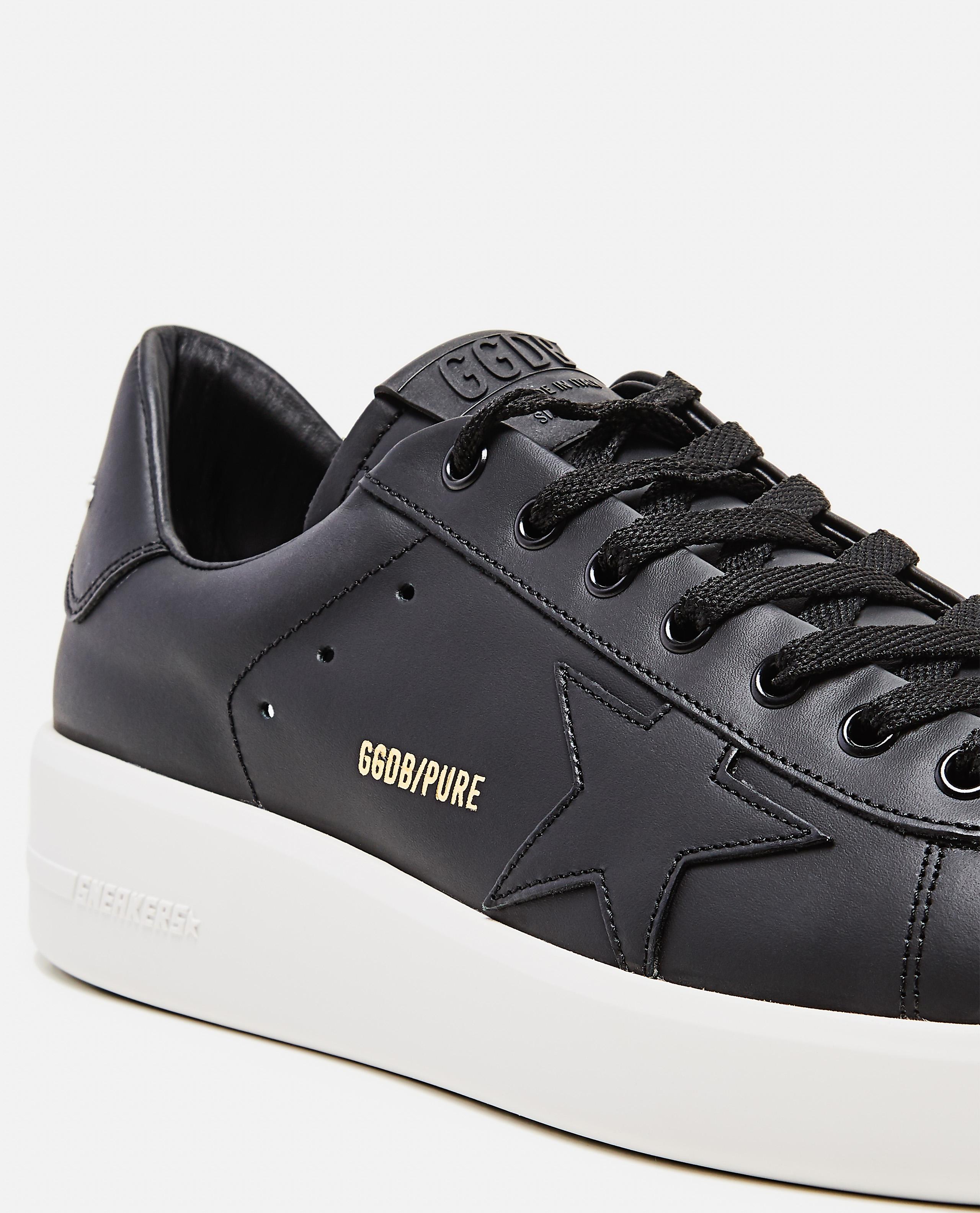
Golden Goose shoes: worth it?
They are worth it if you appreciate hand-finished character, long-wearing Italian materials, plus styling versatility that works with virtually anything; they remain not worth the price if you want pristine minimalism plus you judge footwear strictly by value-per-gram of leather. This premium goes to craft and aesthetic intent rather than lab-clean finishes.
Golden Goose manufactures its sneakers throughout Italy and intentionally distresses them, ensuring the scuffs plus patina arrive pre-distressed and unique per each pair. This means you could wear them hard from day first without coddling the finish or stressing over your first mark. The brand’s last forms, interior wedge insert, and firm foundation create a profile and comfort experience that’s different versus standard court sneakers. If you alternate them and maintain basic care, their leather and outsole hold up for years, which renders cost-per-wear sensible for heavy wearers. If one’s taste leans toward clean, undecorated minimal sneakers, you’ll see more value in minimalist rivals than in that Golden Goose style.
Value elements you actually notice on-foot
The worth lies in three main things you feel and see each time you put on them: the shaped last and internal lift that flatter proportions, the unique hand-distressing that looks premium up closely, and Italian hide that molds versus than collapses.
The inner wedge insole offers subtle height with a forward stance without looking similar to a platform, which helps trousers break better and lower body look longer. Hand-finishing means no two pairs are alike, and the distressing is layered rather than applied, so it ages with you instead of flaking. Full-grain leather uppers plus sturdy foxing support the shoe while prevent that pancake collapse you get with softer budget sneakers. Perforations, signature overlays, and back tabs are sewn cleanly with uniform gauge thread, a small thing that adds up visually. On-foot, these behave like one fashion sneaker plus luxury finishing versus than a converted athletic trainer.
How much will Golden Goose sneakers cost in 2025?
Most core low-top pairs range around 530 to 700 USD, tall run roughly six hundred fifty to 800 US dollars, and heavily embellished or hand-applied styles can climb goldensneakers.org much above 900 dollars. Children’s sizes typically sit between three hundred and 450 USD.
Prices vary with leather quality, embellishment, and seasonal capsules, so 2 similar-looking models could differ by 3 digits. Outlet, past, and past-season colors can come in lower, while limited drops and artisanal editions command premiums at retail plus on resale marketplaces. Taxes and import duties move this number further based on your country. If you plan to buy exclusive pairs, budget considering the reality that sought-after colorways rarely discount often. This table below outlines typical ranges with fit tendencies across popular families.
| Model family | Average MSRP (USD) | Size tendency | Notes |
|---|---|---|---|
| Superstar model (low) | 530-680 | Standard with slightly narrow toe | Classic side star; many colorways |
| Hi-Star / Mid-Star | 600–720 | Similar to Superstar; a touch more space | Elevated foxing band around the midsole |
| Pure Star (low) | 500-650 | Very regular, cleaner last | Minimal distressing; cleaner markings |
| Ball-Star (low) | five thirty to six fifty | A bit roomier forefoot | Vintage basketball cues |
| High Slide (high-top) | six eighty to eight hundred | Tight ankle and midfoot | Lateral zipper on several versions |
| Exclusive/embellished | 700-1200+ | Varies by base style | Gems, glitter, studs, special leathers |
| Youth | three hundred to four fifty | Standard kids’ grading | Main Superstar and Ball-Star styles |
Price drivers you should factor within
Final pricing is most responsive to leather quality, hand embellishment, with whether the style is a special seasonal execution. Standard models in regular leather sit cheaper than pairs using suede, metallic foils, glitter, or special-texture finishes. Hand-applied crystals, studs, heavy aging passes, and mixed materials push labor time up, and that sticker price follows. Seasonal collections or special capsules tend to get allocated in smaller runs, which restricts discounting and can create resale markups. Geography influences because European prices sometimes net to lower before VAT refund, while US distribution can differ by store and city.
Fit and fit: nailing it right the first try
They utilize European sizing with most pairs size true to scale; if you’re among sizes, go smaller for narrow foot shapes and up regarding wide feet, plus expect a quick break-in as this leather molds. The interior wedge with removable insole impact volume, so sock selection and foot type matter.
Measure all feet in the afternoon, stand near a wall over paper, mark back and longest front, and add about 7 to ten millimeters for ease; compare the measurement to the brand’s size chart and pick the closest EU size. When your forefoot stays wide, the Ball-Star and some High/Mid Star versions feel better than very slim toe boxes. Should you wear thicker socks, stay at your larger foot measurement and don’t squeezing the toes just to chase a sleeker aesthetic. Insoles are replaceable on many models, which lets one tune volume using aftermarket options or thin out volume if you’re within sizes. Expect this leather to relax within a several wears, but the cupsole and foxing will remain stable rather than soft.
Which models wear narrower or wider?
As a rule of thumb noted by many users, Superstar reads slightly slim at its toe, Ball Star style feels a touch roomier, Slide is snug through the ankle due from padding, and Pure-star tracks closest to a standard tennis last. Seasonal tweaks and materials can change feel more than you think.
Glitter and treated finishes are stiffer on day first and can make the same fit feel tighter before they soften. Nubuck versions break down faster and may feel more forgiving across the toe area. High-tops with one side zip reduce lace adjustability, this is great regarding convenience but not as ideal if one have a extremely high instep. Models with extra distressing sometimes expose gentler edges that accelerate up comfort minus changing actual inner dimensions. When having doubt, try one’s usual EU fit and one adjacent size to confirm the last your foot prefers.
Care and cleaning that preserve the look
Skip the laundry machine; instead, dry-brush dirt, spot treat with a moist cloth and gentle soap, treat textured leather with a special brush and eraser, and let them air dry far from heat. Treat the foxing with a gentle white sponge and stay easy to maintain the factory aging intact.
Use a fine horsehair brush and lift dust and grit before all moisture touches each shoe. On regular leather, wipe via a barely moist microfiber cloth plus a drop containing neutral soap, followed by buff dry; a thin layer including colorless cream conditioner every few month periods keeps the hide supple. For suede, lift nap with a suede brush, then target stains with a specialized eraser; avoid liquid cleaners that can stain or flatten the texture. This foxing and bottom respond well for a light treatment of a cleaning sponge, but cease well before pure white if the pair arrived weathered. Remove the ties and soak them in lukewarm liquid with a small amount of mild detergent, then passively dry flat for keep their form.
Keeping and odor control that won’t harm finishes
Store them in a cool, dry spot with wooden trees or cloth stuffing, rotate usage days, and deodorize with cedar and baking-soda sachets versus than perfume treatments. Keep them away of direct sunlight to prevent patchy fading.
Unfinished and weathered leathers can blacken under heat, thus never put these near radiators and in a drying machine. Use unvarnished wooden shoe trees for wick moisture while hold the forefoot shape without stretching the leather aggressively. If they turn soaked, remove insoles and laces, fill lightly with tissue, and let these dry naturally across at least twenty-four hours. For persistent odor, wipe each insole lightly with a cloth moistened in a highly dilute vinegar blend, then air out; swapping in clean laces and footwear also makes the bigger difference than most sprays. Over time, rotate them plus at least one other pair and give leather materials time to restore between wears.
Fast authenticity checks that catch most fakes
Look for even Italian build standards, crisp heel tab and insole markings, a star-motif pattern, layered non-repeating aging, substantial leather scent and weight, and a box label whose style identifier matches the shoe. Any two plus three misses together should be treated as a danger flag.
Inspect the star overlay and rear tab: stitching must be even with clean back-tacks, with branding should stay centered with even spacing, not unclear or off-axis. Genuine pairs smell of leather with a hint of bonding agent; many fakes lean chemical and feel unusually light considering their size. Turn the shoe plus check the bottom: tread should be well-defined with one star-themed pattern, not a generic smooth rubber. Distressing ought to differ between left and right and show scuffs to wrap naturally over panels rather than identical printed patterns. On the box, the printed style, color, and measurement should align with hangtags and some internal label; inconsistent fonts or low-resolution printing are frequent counterfeit tells.
Box details that help confirm the pair
Expect a logo box, tissue, with a dust cover, plus a little care card; precise designs and language change seasonally, therefore consistency of craftsmanship matters more versus matching an web photo. Absence for one insert remains not proof for a fake, however cheap materials plus low-grade print finish add up fast.
Boxes should feel sturdy with sharp edges and neat glue lines, not spongy cardboard. Dust bags use quality fabric with centered prints; thin, shiny polyester with off-white ink is the common counterfeit trick. Care cards, when present, have neat kerning and properly accented Italian when applicable. The adhesive label should remain aligned and contain a scannable QR code that corresponds with the model info you were provided. When buying secondhand, request close-ups of the outsole tread, insole print, rear tab, and packaging label in the same frame as the shoes and reduce photo switches.
What people should buy them—and who shouldn’t?
Buy them when you want luxury craft with a lived-in look, use sneakers several occasions a week, with value the distinctive, hand-finished character to pairs with casual wear, tailoring, and outfits alike. Skip the shoes if you like spotless minimal shoes or you alternate sneakers rarely sufficiently that cost-per-wear might stay high.
As a reality check, run the quick cost-per-wear: the 600 USD model worn three occasions a week over one year ends up at under 4 USD every wear, and throughout two years it drops closer near 2 USD. When you will wear them only for weekends, the cost climbs and the lower-priced alternative could make more reason. For the style without the same spend, consider P448 brand or Autry for distressed vibes, while Common Projects, Koio brand, or Oliver Cabell brand scratch the clean-white itch. If buyers want trend-forward on budget, adidas Samba model, Stan Smith, plus Nike Killshot provide strong style with a very distinct finish philosophy. The calculus is individual, but approaching this with realistic wear patterns keeps the decision grounded.
Expert tip
«If you’re between sizes, test fit with and without the removable insert in the shop; getting the fundamental length right plus then adjusting room with the insert and sock selection is safer than sizing up then hoping thick sock choices will fix one sloppy heel.»
Lesser-known but useful facts
Each pair becomes hand-finished in Italian facilities, so small distinctions between left plus right are standard and expected. Many models include a subtle internal lift in the insert that adds height and changes stance without reading as a platform. The outsole design employs star-themed motifs which help with quick visual authentication. Older pairs and some materials were branded «Golden Goose Premium Brand» while many recent releases display simply «Golden G-o-o-s-e,» so branding variations by season are not automatically concerning.

admin administrator
About the author